NEWS
Xenophobia: Retaliate Against South African Firms, Revoke Mining Licences,MTN and others Now – Falana Tells FG
Published on Mon 03 Aug 2026 By
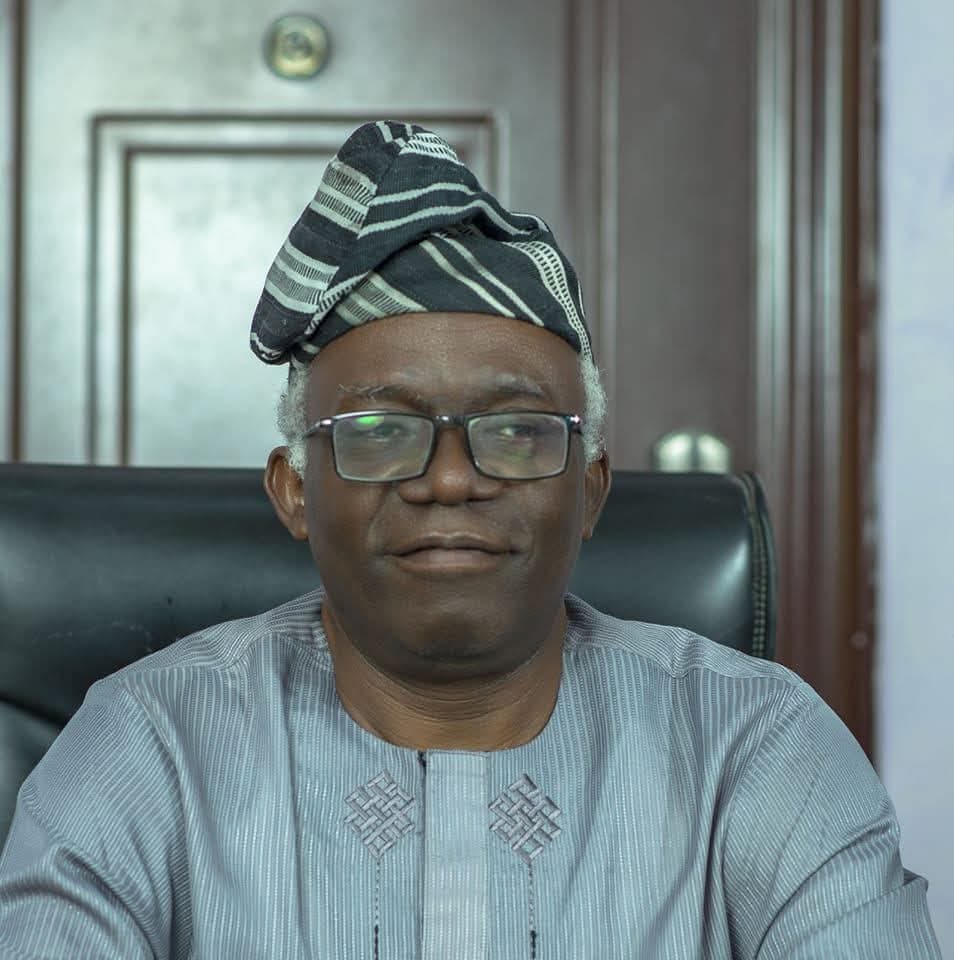
 Human rights lawyer and Senior Advocate of Nigeria (SAN), Femi Falana, has called on the Federal Government to impose strict economic sanctions on South African companies operating in Nigeria. The legal luminary stated that diplomatic protests alone will not compel the South African government to stop recurring xenophobic attacks and the destruction of Nigerian-owned businesses.

Speaking with journalists in Ilawe-Ekiti, Falana emphasized that international diplomacy relies heavily on the principle of reciprocity. He argued that Nigeria has a fundamental responsibility to respond appropriately when its citizens are being chased out of South Africa and their livelihoods destroyed.

The senior lawyer dismissed the effectiveness of merely lodging a complaint before the African Union (AU) over the targeted violence. He noted that South Africa holds significant influence within the continental body, meaning any AU complaint would likely end in a toothless resolution without concrete enforcement.

To send a strong message to Pretoria, Falana urged Nigerians to actively patronize alternative brands and migrate away from South African-owned businesses, including telecommunications giant MTN. He also advocated for the immediate revocation of mining licences granted to South African companies operating within Nigeria.

Drawing a historical parallel, Falana recalled how Nigeria successfully nationalised British Petroleum in the 1970s to fight apartheid. He suggested that the federal government should consider similar nationalisation measures against South African investments today if the hostility against Nigerians persists.

However, the senior advocate also blamed the Nigerian government for failing to adequately protect its citizens from harassment across Africa. He argued that Abuja has denied its citizens vital legal protection by failing to recognize key international judicial pathways.

Specifically, Falana revealed that Nigeria has blocked its nationals from accessing the African Court on Human and Peoples’ Rights in Arusha, Tanzania. This restriction exists because the federal government has refused to deposit the necessary instruments that allow individual petitions.

"If Nigerians could approach the African Court... South Africa would have been dragged before the court by victims of xenophobic attacks," Falana stated. He challenged the federal government to grant citizens immediate access to the continental court so victims of gross human rights violations can seek justice.
ADVERTISMENT

You May Also Like