
NEWS
ECOWAS Parliament: Barau Warns Farmer-Herder Clashes Fueling Regional Terrorism, Banditry
Published on Thu 24 Sep 2026 By Akinwale Akintayo
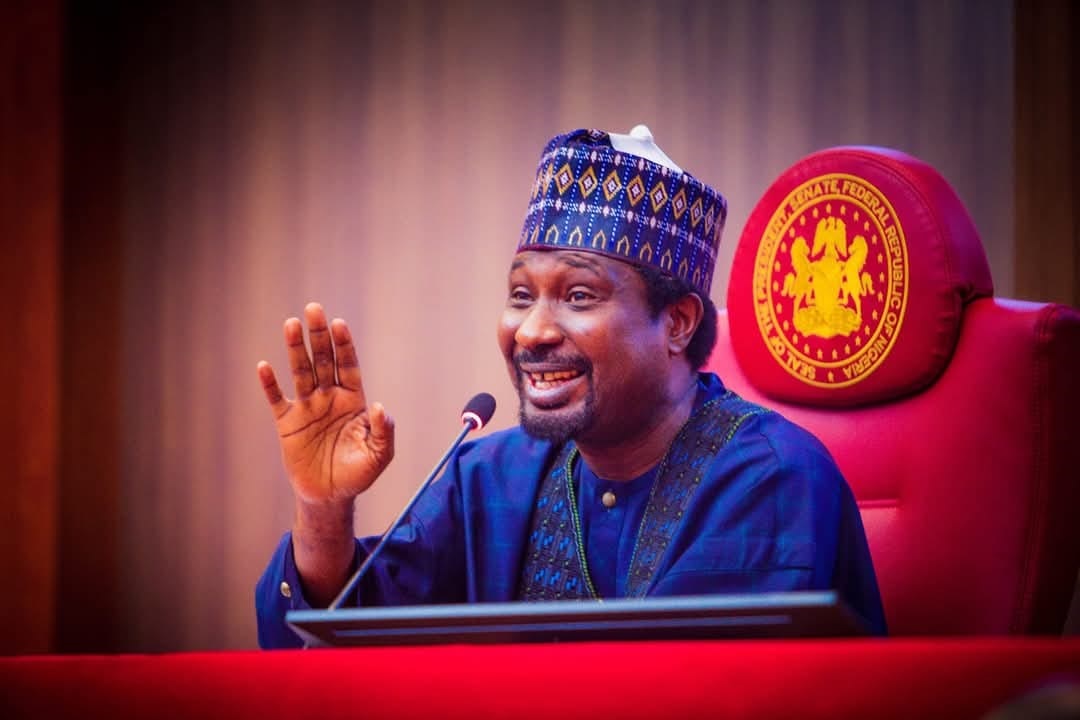
 Deputy President of the Nigerian Senate and First Deputy Speaker of the ECOWAS Parliament, Senator Barau Jibrin, has warned that the deadly, resource-driven clashes between farmers and herders pose a catastrophic threat to the stability of West Africa.

Speaking at the Second Extraordinary Session and Seminar of the ECOWAS Parliament in Accra, Ghana, Barau cautioned that if left unchecked, the ongoing battles over land and water will continue to fuel mass displacement, banditry, terrorism, and severe humanitarian crises across the sub-region.

Barau noted that while Nigeria and its West African neighbours possess vast agricultural and pastoral economies, accelerating climate and population pressures on land and water are transforming local resource competition into dangerous national security threats.

Despite aggressive state interventions, Barau lamented that over three million Nigerians remain trapped in Internally Displaced Persons (IDP) camps nationwide.

He urged West African parliamentarians to rapidly enact and enforce laws that protect IDPs, strictly regulate land and livestock management, and provide robust oversight on security and agricultural funding.

To eliminate the pressures of uncontrolled livestock movement, the Deputy Senate President called for immediate, aggressive regional investment in ranching, animal feeding, and modern breeding technologies.

The Nigerian government has shifted its strategy for managing internal displacement and farmer-herder conflicts, moving away from temporary emergency relief toward long-term, development-oriented solutions. Delivering a presentation titled "Strategies for Addressing Internal Displacement and Farmer-Herder Conflicts in Nigeria," Deputy Senate President Barau Jibril shared these structural insights through Senator Sadiq Umar (APC, Kwara North). This policy evolution is centrally driven by the Federal Ministry of Humanitarian Affairs and Poverty Reduction, marking a decisive transition toward sustainable, government-led intervention frameworks.

This proactive domestic shift has gained significant international validation and alignment. Nigeria’s updated strategic framework earned the country a selection under the United Nations Secretary-General’s Action Agenda on Internally Displaced Persons. This global recognition highlights the nation`s commitment to implementing structural reforms that address the root causes of displacement rather than merely managing its immediate symptoms.

In tandem with these global initiatives, Nigeria has reinforced its regional commitments by fully ratifying the African Union`s Kampala Convention. By legally binding itself to this landmark continental treaty, the West African nation secures a comprehensive legal framework to protect and assist internally displaced persons. The combined strategy of localized economic development and international legal compliance represents Nigeria`s latest blueprint for resolving its protracted security and humanitarian challenges.

Barau concluded by emphasizing that managing displacement can no longer be outsourced to humanitarian agencies alone. He demanded unified coordination among government Ministries, Departments, Agencies (MDAs), and traditional institutions, alongside a strict focus on early warning conflict systems and climate adaptation.
ADVERTISMENT

You May Also Like