Posted By; Akinwale Akintayo
Tinubu’s Second Term: Petrol Price Could Hit N5,000/Litre, Adebayo Warns
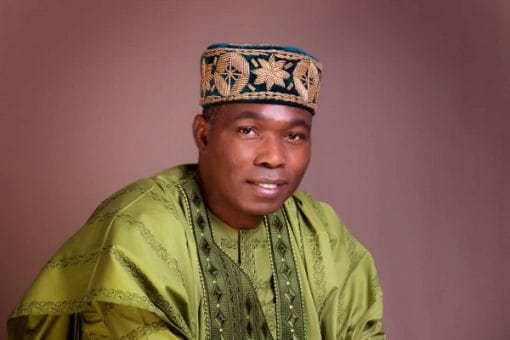
The Social Democratic Party (SDP) presidential candidate, Adewole Adebayo, has warned that the price of petrol could soar to N5,000 per litre if President Bola Tinubu secures a second term in office.
Adebayo handed down this warning in a statement issued by his campaign’s Chief Communications Adviser, Mark Adebayo, on Wednesday. He insisted that the projected increase is a mathematical certainty based on the economic trajectory of the current administration.
The opposition politician attributed the looming price surge to the Federal Government’s aggressive deregulation of the downstream petroleum sector. He noted that the policy, combined with the floating of the naira, has left the nation`s energy security at the mercy of volatile market forces.
According to him, Nigeria’s continuous dependence on imported petrol—which is priced strictly in US dollars—means that any further weakening of the local currency will automatically inflate pump prices. He cautioned that without local refining capacity, citizens will continue to bear the brunt of currency depreciation.
Providing a breakdown of the projection, Adebayo stated that if the exchange rate depreciates to N3,500 to a dollar in the coming years, the landing cost of petrol alone would cross the N4,000 threshold. Additional distribution margins and retail costs would comfortably push the final pump price to N5,000.
The SDP candidate strongly criticised the total removal of fuel subsidies, arguing that the policy leaves vulnerable consumers entirely unprotected. He stated that the government failed to establish adequate safety nets before exposing the economy to the vagaries of global crude oil prices.
Adebayo further warned that a N5,000 fuel price would trigger an unprecedented cost-of-living crisis across the country. He explained that skyrocketed transportation costs would immediately drive up the prices of food, pharmaceuticals, and other essential commodities.
He concluded by identifying high interest rates, port clearing bottlenecks, and severe distribution inefficiencies as compounding factors. He urged the administration to review its fiscal and monetary strategies to save the citizens from impending economic hardship.


.jpg)