☰     THENEWSCREDIT
HOME BREAKING NEWS POLITICS METRO EDUCATION HEALTH SPORT ENTERTAINMENT OPINION VIDEOS SEARCH CONTACT

NEWS


NEWS /  Wed 31 Dec
Posted By; Akintayo Asamu

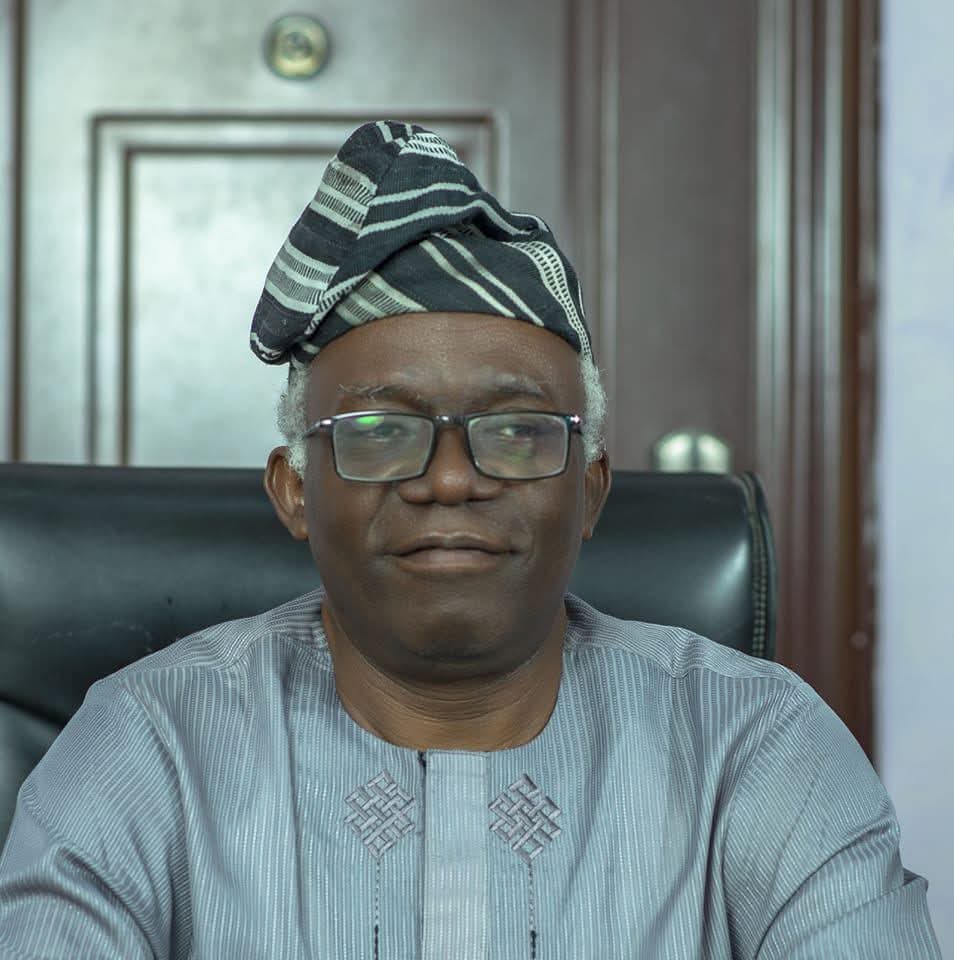
New tax laws can’t take effect until you resolve issies- Falana to Nigerian govt

Human rights lawyer, Femi Falana, SAN, has told the Federal Government why the new tax law cannot take effect. Addressing newsmen at his Ilawe-Ekiti hometown on Wednesday, Falana said until the controversies surrounding the legitimacy of their provisions, occasioned by allegations of insertion, are addressed, the new tax laws cannot take effect According to him, the federal government should have used the last few days of 2025 to address the issue and make clean copies of the new tax laws available before January 1, 2026. “If that was not done, the government would put itself in trouble by deciding to implement the laws. There are interest groups ready to challenge the legitimacy of the laws,” he said. Recall that President Bola Tinubu on Tuesday said there is no going back on the January 1, 2026 implementation of the tax laws. The senior lawyer, however, stated that the laws could not take effect until the controversies surrounding their legitimacy were resolved.
NEWS /  Wed 31 Dec
Posted By; Akintayo Asamu

Crossover night: Police ban tyre burning, threaten prosecution

The Commissioner of Police in Nasarawa State, Shetima Mohammed, has imposed a total ban on the burning of used tyres during crossover night activities marking the New Year celebrations across the state. The directive was contained in a statement issued on Tuesday in Lafia by the Police Public Relations Officer in the state, SP Ramhan Nansel. According to the statement, Mohammed ordered all Area Commanders and Divisional Police Officers to ensure strict enforcement of the ban. He warned that anyone found engaging in the act would be arrested and prosecuted in accordance with the law. The police commissioner said the ban was necessary to protect critical government and private infrastructure from damage and defacement, prevent environmental pollution, and ensure the free flow of traffic as well as public safety during the festivities. He also urged vulcanisers across the state to ensure that all used tyres were properly disposed of or taken away at the close of business each day to prevent unauthorised access by members of the public. Mohammed further advised parents and guardians to caution their wards against burning tyres or engaging in other unlawful activities during the New Year celebrations. He reaffirmed the commitment of the Nasarawa State Police Command to ensuring a peaceful, safe and hitch-free New Year celebration for residents of the state.
NEWS /  Wed 31 Dec
Posted By; Akintayo Asamu

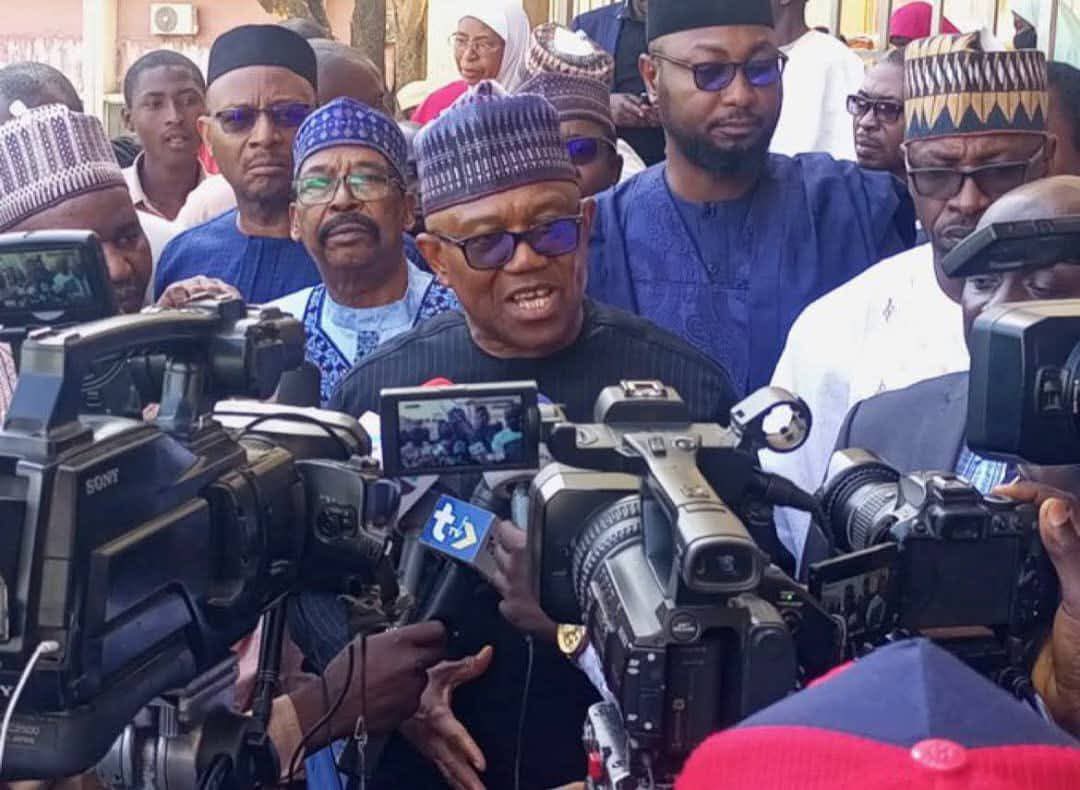
Obi dumps Labour Party for ADC, rallies opposition for 2027.

Former Labour Party presidential candidate in the 2023 general elections, Peter Obi, has formally defected to the African Democratic Congress. Obi, who is also a former Governor of Anambra state, urged Nigerians and opposition forces to unite under a broad national coalition to “rescue Nigeria from poverty, disunity and democratic decline.” Obi announced his defection at the Nike Lake Resort, Enugu on Wednesday, where he delivered a New Year address, accusing the current political leadership of state capture, economic mismanagement and systematic erosion of democratic values. “This decision is guided solely by patriotism and national interest. I now respectfully call on my political associates, the Obidient Movement and opposition leaders across the country to join this broad national coalition under the African Democratic Congress. History will not forgive silence in moments of national peril,” he said. Presenting his defection as part of a larger national mission, Obi said Nigeria had reached a critical turning point and could no longer afford politics of division. “As the year 2025 ends today, we stand on the threshold of a new beginning. For Nigeria, moments of profound national challenge demand clarity of purpose and decisive action. That moment is now,” he said. He described Nigeria as a nation in deep distress, citing widespread poverty, unemployment and insecurity, saying, “With over 130 million Nigerians living in multidimensional poverty and more than 80 million youths unemployed, our people are in persistent agony. This is not the destiny God bequeathed to over 220 million Nigerians. “Nigeria is looted into poverty” Obi rejected claims that Nigeria’s crisis was inevitable, arguing that leadership failure, not lack of resources, was responsible. “As a nation, we are not poor; we are looted into poverty. Nigeria is not broken; Nigeria is severely betrayed. The average Nigerian is not lazy or incompetent, but the system is rigged to reward mediocrity and recycle failure,” he said. He accused the political elite of deliberately exploiting ethnic and religious divisions to remain in power. “Their expertise lies in creating more divisions to sustain themselves in office. With little or no interest in unity or inclusive development,” he said. Obi issued a strong warning over the integrity of future elections, insisting that reforms of the electoral system were non-negotiable. He cautioned against attempts to rig the 2027 general elections. Drawing from his international engagements, Obi compared Nigeria’s trajectory with countries that have achieved rapid development through unity and effective leadership. He also cited Indonesia as an example of how leadership choices matter. “Indonesia and Nigeria started with similar characteristics,” Obi noted, “but while Indonesia is now a trillion-dollar economy, Nigeria is grappling with de-industrialisation, corruption and deepening poverty.” Obi criticised the Federal Government’s tax reforms, describing them as anti-people and economically counterproductive. He described reports of a forged tax law as a dangerous precedent. “A tax regime founded on forgery cannot build trust, unity or prosperity,” Obi said. Positioning his defection as a strategic move toward 2027, Obi said opposition unity was essential to defeating what he described as “a government that thrives on division and propaganda.”
NEWS /  Wed 31 Dec
Posted By; Akintayo Asamu

US strike: 39 fleeing Sokoto suspects arrested in Ondo

The death toll from the fire that gutted the Great Nigeria Building in the Balogun Market area of Lagos Island, Lagos State, has risen to five, as two more bodies were recovered from the rubble on Sunday. This came as another fire outbreak on Monday evening gutted a section of the Arena Market in the Bolade area of Oshodi, Lagos State. The Lagos State Fire and Rescue Service, in a statement by its Controller General, Margret Adeseye, stated that it received a distress call at about 5:50pm, prompting the immediate deployment of firefighting units, which arrived at the scene within five minutes. She added that the fire affected five 40-foot container shops arranged in two rows, bringing the total number of affected shops to 10. The statement read, “The Lagos State Fire and Rescue Service received a distress call at approximately 17:50 hours today reporting a fire outbreak at Arena Market, Bolade, Oshodi. Firefighting units were promptly dispatched and arrived at the scene within five minutes. At about 17:55 hours, fire crews from Bolade, Ilupeju, Ikeja, and Alausa Fire Stations responded swiftly and collaboratively to contain the incident. “The fire affected a section of the market consisting of five (5) 40-foot container shops arranged in two rows, making a total of 10 shops. The affected area is primarily used for the storage and sale of clothing materials, which were stocked in bales. The fire has been confined to the affected section and curtailed. The situation is firmly under control, and there is no risk of the fire spreading to other parts of the market.” According to the fire service, the inferno was successfully confined to the affected section and brought under control, with no risk of it spreading to adjoining areas of the market. On the GNI incident, THENEWSCREDIT reported that the fire started on the fourth floor and spread to the sixth floor of the 25-storey building before engulfing the remaining floors and adjoining structures. A detached section of the plaza, estimated at about seven floors, collapsed during the inferno, trapping traders and market assistants. While seven individuals were rescued shortly after the collapse, three bodies were recovered from the rubble on Friday. Sources at the Lagos State Emergency Management Agency told our Correspondent on Tuesday that the additional bodies were pulled out during ongoing search-and-rescue operations on Sunday. “We recovered two more bodies on Sunday. The bodies were already burnt because of the fire, and we could not recognise who they were. One of the bodies was also mangled. “The goods under the rubble are still a reason why the fire is still burning under it. It is no longer an emergency situation other than recovery,” the source disclosed. Our correspondent gathered on Tuesday that more people have begun to throng the scene of the incident in search of their loved ones. There were also indications that the customers who had come to purchase goods were also caught up in the incident. “More people have been coming to this place since Sunday in search of their loved ones who had come to purchase items in the market. They claimed they last heard from them on Wednesday when the incident happened,” a shop owner in the market, Wunmi Olabisi, told our Correspondent. Emergency responders have continued excavation and search efforts amid growing anxiety from families awaiting information on missing relatives. THENEWSCREDIT had earlier reported that no fewer than 20 individuals were still trapped under the rubble. Relatives who spoke to our correspondent in separate interviews on Sunday also provided names and photographs of their affected loved ones. The identified victims include Elo Chukwu, Omeigbo Chuwuebuka, Omeigbo Chukwudubem, Kayode Omoniyi, Ikechukwudi Asobi and Murphy Aborinwa. Others are Onyeka Obinwa, Mercy Ukamaka, and Taofeeq Opera, as well as a trader identified as Chiding and two of his boys. The remaining trapped persons include several other market assistants whose identities could not be ascertained. Reacting to the incident, the Shitta-Bey family of Lagos, owners of the GNI Building, expressed deep sorrow over the fire incident that recently gutted the high-rise structure, describing it as a tragic occurrence. In a statement made available to our correspondent on Tuesday, the family said its thoughts and prayers were with the victims and their families affected by the incident. The family assured the public that it was working closely with relevant authorities to ensure that affected individuals received the necessary support and assistance. “The Shitta-Bey family of Lagos, the owner of Shitta-Bey Court, popularly called GNI Building, is deeply saddened by the recent fire accident in our high-rise building. “Our hearts go out to the victims and their families affected by this tragic incident. We want to assure the public and residents that the family is working closely with authorities to ensure that affected individuals receive all necessary support and assistance. “We urge everyone to disregard any false narratives or misinformation being spread by the former tenant/caretaker, Great Nigeria Insurance Ltd (GNI), under whose management the building got burnt in November 2013 but was left in a dangerous state for almost six years until the family, pursuant to the Order of the High Court of Lagos State dated the 31st day of October, 2019, recovered possession from the company and rehabilitated the building.” The family further reassured residents and stakeholders that the building was adequately insured and pledged its commitment to restoring the structure, including the mosque within the premises, while ensuring the safe return of all residents. It added that updates would be provided as more information became available.
NEWS /  Wed 31 Dec
Posted By; Akintayo Asamu

10 states plan N4.3tn borrowing to fund 2026 budgets

Ten states are planning to source about N4.287tn from loans, bonds, grants, capital receipts, and public-private partnerships to finance capital projects in their 2026 budgets. Collectively, the states, including Lagos, Abia, Ogun, Enugu, Osun, Delta, Sokoto, Edo, Bayelsa, and Gombe, presented budgets totalling N14.174tn to lawmakers. An analysis of these budgets by The PUNCH shows that these states are increasingly turning to non-recurring financing beyond statutory federal transfers, including allocations from the Federation Accounts Allocation Committee, value-added tax receipts, and internally generated revenue, to support ambitious infrastructure and development projects. Economists say Nigeria’s growing reliance on borrowing is not mainly because the country lacks revenue but because public funds are poorly managed. They argue that budgets, which should strictly guide government spending, are often ignored, while weak oversight and revenue leakages force governments to rely on loans. Although borrowing can help fund development when used carefully, frequent and unchecked borrowing risks creating long-term debt problems and passing today’s failures onto future generations. In Lagos State, the commercial hub with the nation’s largest subnational budget, Governor Babajide Sanwo-Olu proposed a N4.237tn budget for 2026. Of this, N3.12tn will come from IGR and federal transfers, leaving N1.117tn (26.4 per cent) to be raised through loans and bonds to finance capital projects. Even for a state with IGR comparable to some smaller African countries, borrowing remains a key mechanism to fund ambitious infrastructure and development initiatives. Former Vice-Chancellor of Crescent University, Prof Sheriffdeen Tella, our correspondent that states should live within their means and focus on improving internally generated revenue. “States were not originally meant to borrow because they are largely dependent on allocations from the federal government,” he said, adding that weak fiscal discipline at the centre has encouraged similar behaviour at the subnational level. According to him, the Federal Government’s own heavy borrowing has weakened its ability to restrain states, resulting in a system where all tiers of government accumulate debt, creating long-term problems for future generations. Abia State’s N1.016tn budget illustrates the challenges facing smaller, less commercially driven states. Under Governor Alex Otti, who is spearheading a revival of years of neglected infrastructure, the state expects to generate N607.2bn from FAAC allocations, value-added tax, grants, and other federal revenue channels. This leaves a funding gap of N409bn, or 40.3 per cent, which the government plans to cover through borrowing and other non-recurring sources. Abia made verifiable progress in 2025, emerging as one of the leading states for domestic debt reduction. As of March 31, 2025, Abia’s domestic debt stood at N48.67bn, marking a 57.2 per cent decline from the previous year. By Q2 2025, the figure was reported at N48.6bn, the Debt Management Office recorded. Governor Dapo Abiodun’s Ogun State N1.669tn “Budget of Sustainable Legacy” anticipates N509.88bn from internally generated revenue and N554.81bn from federal transfers, but loans and grants of N518.9bn (31.1 per cent) will be required to fund its capital projects. In the first half of 2025, total state external debt in Nigeria rose slightly to $4.812bn, with Ogun State accounting for $21.8m of the increase. Prof Tella warned that the persistent turn to borrowing reflects poor revenue management rather than a lack of income, insisting that Nigeria’s core fiscal challenge is revenue leakage and misappropriation. “As far as I am concerned, revenue is not Nigeria’s problem. The problem is the stealing of the revenue,” he said, noting that public funds that should strengthen government finances are often lost, making borrowing appear inevitable. Enugu State plans a N1.62tn budget for 2026, a 66.5 per cent increase over 2025. While N870bn from IGR and N387bn from federal allocations will cover recurrent expenditure and some developmental spending, N329bn (20.3 per cent) will come from loans and capital receipts. The DMO reported that in Q2 2025, Enugu State had the highest domestic debt in the South-East, with a stock of N180.5bn, more than 10 times that of Ebonyi, the region’s least indebted state, which stood at N15.8bn. “Budgeting in Nigeria does not make any sense to some of us. It no longer makes sense at all,” Assistant General Secretary of the Nigeria Labour Congress, Chris Onyeka, told our correspondent. “When budget performance is at 30 per cent, what is the point? When budgets are violated and not implemented, extra-budgetary expenses become the order of the day.” He questioned the effectiveness of Nigeria’s budgeting process, arguing that budgets have lost their force as binding legal instruments due to weak enforcement. Onyeka said a budget is meant to serve as a guide that outlines government revenue expectations and spending plans for the coming year, noting that once approved by the legislature, it becomes law and should be strictly followed by the executive. “If you go outside the law, it means you have broken the law, and when laws are broken, there should be consequences,” he said. Further, Osun State’s N723.45bn budget relies on N421.25bn in recurrent revenue, with N286.01bn (39.5 per cent) from capital receipts to fund its projects. The state significantly reduced its debt profile in 2025 under Governor Ademola Adeleke. External debt fell from $91.78m to $75.14m, a decline of 18.13 per cent, while domestic debt dropped from N148.37bn in 2022 to N83.32bn in 2025, a reduction of N65bn, or 43.84 per cent. In Delta State, expected growth in internally generated revenue, projected at N250bn, combined with N720bn in federal transfers, still leaves N694bn (41.7 per cent) from loans and grants to fund capital expenditure in its N1.664tn budget. Sokoto State’s N758.7bn “Budget of Socio-Economic Expansion” will see N233.8bn (30.8 per cent) sourced from grants, aid, and capital development funds, while Edo State will cover N299bn (31.8 per cent) of its N939.85bn budget through loans, grants, and public-private partnerships. The NLC executive said breaches of budgetary provisions often go unpunished, creating a system where accountability is selective. He said laws are typically enforced only when they affect ordinary citizens and workers, while government officials face little or no consequences for violations. According to him, this lack of accountability undermines public confidence in the budget process and weakens fiscal discipline. On the issue of borrowing, Onyeka said debt itself was not a crime, stressing that borrowing could be justified if it is properly utilised to stimulate economic activity and support growth. Bayelsa State, another oil-dependent economy, plans N74.9bn (7.4 per cent) of its N1.01tn budget from loans and grants, while Gombe State’s N535.7bn “Budget of Consolidation” is the most dependent, with N325.5bn (60.8 per cent) expected from loans and capital receipts. Under Governor Sheriff Oborevwori, Delta State reduced its domestic debt in 2025 through repayments rather than new borrowings. Domestic debt stood at N204.67bn as of June 30, 2025, down slightly from N204.72bn in March, with a Q2 reduction of N93.92bn noted in analyses. Although the state remains among the more heavily indebted, the decline reflects a measure of fiscal caution amid national trends. Bayelsa State maintained one of the lowest domestic debt profiles among Nigerian states as of mid-2025 under Governor Douye Diri. Domestic debt fell to N65.99bn by June 30, 2025, down from N73.53bn in March, reflecting a N7.54bn reduction in Q2. The state remains the least indebted in the South-South region. Tella also criticised the handling of savings from reforms such as fuel subsidy removal and naira devaluation, alleging that the gains are shared among different tiers of government without clear evidence of impact at the state level. He said the absence of public accountability and sustained pressure on government officials has allowed the situation to persist, undermining fiscal sustainability and public trust. Last week, fiscal expert Aliyu Ilias told our correspondent that states with low IGR are particularly vulnerable. He warned that over one-third of budgets in several states depend on non-recurring funds, which could undermine fiscal sustainability if borrowing and external funding do not materialise on time.

NEWS /  Tue 30 Dec
Posted By; Akintayo Asamu

Tinubu insists new tax laws will be implemented despite public debate

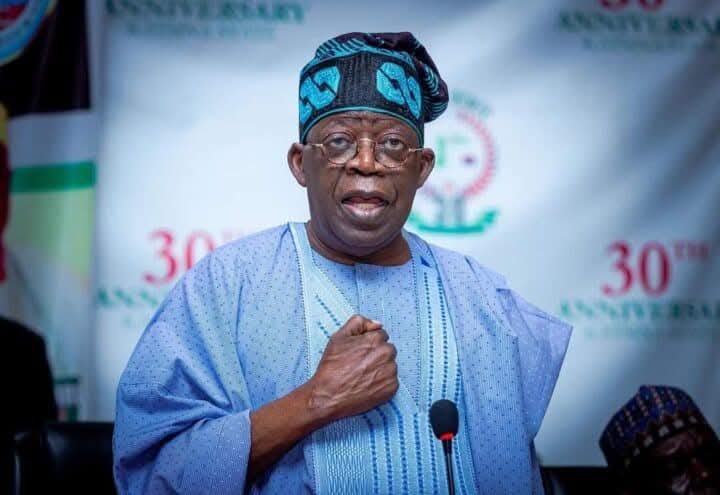
President Bola Ahmed Tinubu has reaffirmed his administration’s resolve to go ahead with the implementation of the newly signed tax laws, rejecting calls for the reform process to be suspended amid public debates over certain provisions. In a statement released on Tuesday, the President said the rollout of the tax reforms would proceed as scheduled, noting that some of the laws took effect on June 26, 2025, while others are set to begin on January 1, 2026. He described the reforms as a rare and historic opportunity to build a more equitable, competitive and sustainable tax system for the country. Tinubu emphasised that the reforms were not aimed at increasing the tax burden on Nigerians, but at overhauling the existing framework to improve efficiency, harmonise tax administration and uphold the dignity of citizens, while reinforcing trust between the government and the people. “The new tax laws are not intended to raise taxes. They are designed to reset the system structurally, promote harmonisation, protect dignity and strengthen the social contract,” the President stated. While acknowledging the ongoing public discussions and concerns over perceived changes to some sections of the laws, Tinubu said no fundamental issues had been identified that would warrant a pause or reversal of the reform agenda. He warned against hasty or reactionary decisions, stressing that public confidence is built through steady and well-considered policies over time. The President called on all stakeholders to support the implementation phase, noting that the reform programme had moved decisively into the delivery stage. He reiterated his administration’s commitment to due process and respect for laws duly passed and assented to. He also assured Nigerians that the Presidency would collaborate closely with the National Assembly to promptly address any challenges that may arise during implementation. “I want to assure Nigerians that the Federal Government will always act in the overall public interest to deliver a tax system that promotes prosperity, fairness and shared responsibility,” Tinubu said. The statement was signed by the President in his capacity as Commander-in-Chief of the Armed Forces of the Federal Republic of Nigeria.
NEWS /  Tue 30 Dec
Posted By; Akintayo Asamu

Cashew Stakeholders Urge FG to Halt Export Ban, Citing Poverty Risks.

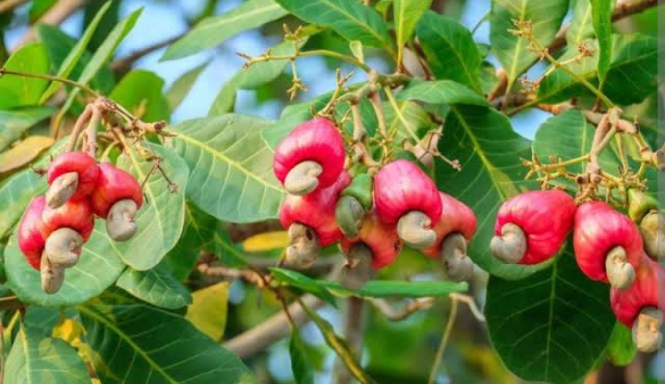
Cashew farmers under the umbrella of the National Cashew Association of Nigeria have renewed calls on the Federal Government to shelve the proposed plan to ban the exportation of cashew nuts, warning that such a move could worsen poverty, cripple the non-oil export sector, and repeat the mistakes associated with Nigeria’s crude oil industry. Leaders of the association from Oyo and Kwara states, Messrs Salami Adebayo Tunde and Omotosho Theophilus Tunde, told journalists, including the THENEWSCREDIT, in Ilorin on Monday that policies and legislations at the federal level should prioritise the overall interest of Nigerians, especially those seeking alternatives to the volatile global oil economy. The farmers, who spoke in line with resolutions reached at a meeting of concerned groups under the NCAN (Farmers’ Wing) held on December 17, 2025, in Ogbomosho, Oyo State, described the proposed bill before the National Assembly as “anti-people” and inimical to national economic growth. According to them, banning cashew exports without first building domestic processing capacity would amount to subjecting the sector to the same fate as Nigeria’s crude oil industry, where the country exports raw crude but imports refined petroleum products despite having refineries. They said, “The sad story of Nigeria’s crude oil sector should serve as a lesson. We have crude oil in abundance, refineries on the ground, yet Nigerians suffer because of poor policy choices. We should not repeat this mistake with cashew.” The farmers argued that rather than banning exportation, the Federal Government should establish at least five functional processing factories across major cashew-producing states such as Oyo, Kwara, Kogi, and other parts of the country where raw materials are readily available. They warned that the proposed ban could have dire consequences for youths who have found livelihoods in cashew farming and exportation, especially at a time when many young people are turning away from crime to agriculture. “The danger ahead is real,” they said. “Many youths who found hope and a new life in cashew farming and export business will be pushed back into hardship if this bill scales through.” The NCAN leaders noted that Nigerian cashew exporters are already earning foreign exchange and contributing to the economy, stressing that exporters now bring in dollars regularly, just like their counterparts in other cashew-producing countries. “In the case of cashew nuts, Nigerians are thriving. Farmers are selling at favourable prices, earning foreign exchange and supporting the economy. Why should the government disrupt this progress?” they queried. They also cautioned against individuals sponsoring the bill, accusing them of pursuing selfish interests rather than the welfare of farmers and the nation at large. The farmers further warned that Nigeria risked losing the global cashew trade, as happened with shea nuts, if it continued to ban exports without first creating processing capacity. “As long as Nigeria bans products without building capacity, it will lose revenue and markets,” they said. They urged the Federal Government to focus on expanding cashew plantations, improving productivity, and supporting farmers, rather than introducing policies that could erase livelihoods. The group also called on the National Assembly to conduct public hearings and wide consultations before advancing any bill that could negatively affect farmers, urging policymakers to study countries like India and Pakistan, where investment in processing capacity has strengthened global competitiveness. Earlier, the National President of NCAN, Dr Ojo Ajanaku, warned that millions of Nigerian farmers could be impoverished if the cashew export ban becomes law. He said access to Special Agro-Processing Loans (SAPL) at single-digit interest rates was critical to growing the sector and encouraging private investors to establish modern processing plants. Ajanaku criticised what he described as the lack of structure and consultation around the proposed bill, warning that discouraging exports without strengthening domestic processing would undermine farmers’ livelihoods and weaken Nigeria’s position in the global market.
NEWS /  Tue 30 Dec
Posted By; Akintayo Asamu

Anthony Joshua accident: Tinubu gives update after conversation with boxer

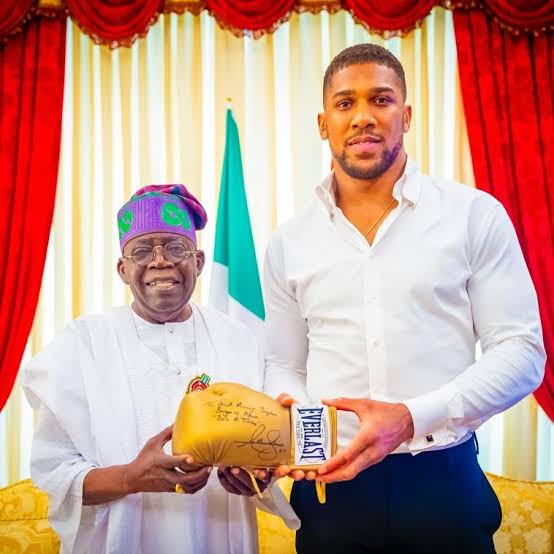
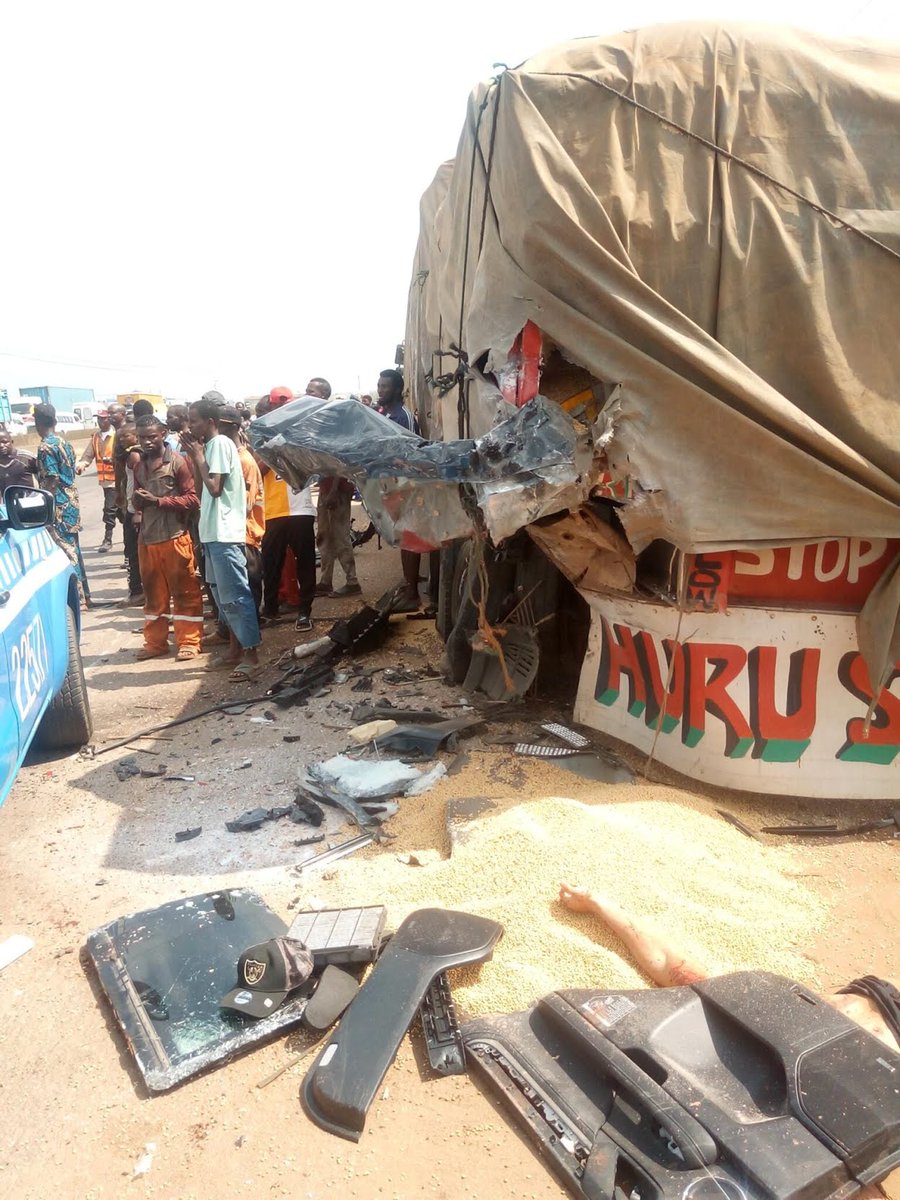
President Bola Tinubu has said that Nigerian-British heavyweight boxing champion Anthony Joshua is receiving the best treatment in Nigeria following an accident on the Lagos–Ibadan Expressway on Monday. President Tinubu disclosed this in a statement issued by his spokesperson, Bayo Onanuga, on Monday. The statement said the president had a telephone conversation with AJ and his mother. “I spoke with AJ on the phone to personally convey my condolences over the death of his two associates. I wished him well and prayed for him. He assured me that he is receiving the best care in the hospital. “I also spoke with AJ’s mother and prayed for her. She was very appreciative of my call. “Additionally, I spoke to Governor Dapo Abiodun, who was in the hospital with them. The governor assured me that he will do everything possible to ensure AJ receives the best possible attention,” the President said. expressed profound sympathy for the boxer over the accident on the Lagos–Ibadan Expressway. The statement read: “I sympathise with you and your family as you bear the emotional weight of this unfortunate incident. As a sportsman, you have always shown courage, discipline, and unwavering love for our country. These are qualities that have made you a source of national pride. “In moments like this, we must encourage one another as brothers and sisters with a shared destiny. “I pray for strength, wisdom, and grace for you during this painful period. May God grant you a speedy recovery and repose to the souls of the departed.” THENEWSCREDIT reports that AJ was involved in an accident in Nigeria which claimed two lives. The Federal Road Safety Corps blamed overspeeding for the accident
NEWS /  Mon 29 Dec
Posted By; Akintayo Asamu

Step-by-step on how to retrieve tax ID online using NIN, CAC – JTB

The Joint Tax Board of Nigeria has made it easier for Nigerians to access their Tax Identification Number (Tax ID) online, eliminating the need for a separate registration process. The Tax ID, a unique 13-digit number, is required for tax administration and banking purposes. According to a post obtained from the Joint Tax Board of Nigeria’s X handle on Monday, the board, now known as the Joint Revenue Board and the Nigerian Revenue Services, formerly known as the Federal Inland Revenue Service, have announced the launch of the Nigerian Tax ID Portal. The organisations said, “The portal, which goes live from January 1, 2026, will allow individual Nigerians and businesses to retrieve their tax identification number (Tax ID) using either the National Identification Number (NIN) for individuals and the Corporate Affairs Commission (CAC) registration number for businesses.” JTB said Nigerians will need to follow the following steps to retrieve their Tax ID using NIN and CAC number: For Individuals: Visit www.taxidjtb.gov.ng or www.taxidnrs.govng Click on the “Individual” tab on the homepage. -Select National Identification Number (NIN). Enter your 11-digit NIN Click on Retrieve Tax ID” Enter “First Name, “Last Name, and ‘Date of Birth exactly as captured by NIMC. Click “Continue” 13-digit Tax ID will be displayed. For Non-Individuals (Registered Entities) Visit www.taxidjtb.gov.ng or www.taxidnrs.govng Click on the “Corporate” tab Select the appropriate organisation type Enter your CAC registration number, as applicable Click” Retrieve Tax ID” 13-digit Tax ID will be displayed.
NEWS /  Mon 29 Dec
Posted By; Akintayo Asamu

Speeding, wrongful overtaking caused crash involving Anthony Joshua – FRSC

The Federal Road Safety Corps has confirmed that excessive speed and wrongful overtaking led to the crash involving British-Nigerian boxing champion, Anthony Joshua, along the Lagos–Ibadan Expressway on Monday. The Corps Public Education Officer, Assistant Corps Marshal Olusegun Ogungbemide, stated this in a statement made available to our correspondent on Monday. THENEWSCREDIT had reported that the accident occurred around the Sinoma area near Sagamu in Ogun State at about 12pm and involved a black Lexus SUV conveying Joshua and a stationary red Sinotruck. According to the statement, preliminary findings by the FRSC Ogun Sector Command revealed that five adult males were involved in the crash., adding that two of the occupants died on the spot. The statement disclosed that one sustained injuries, while two others escaped unhurt., noting that Joshua was rescued alive with minor injuries. The statement added, “The injured victim was evacuated for medical attention, while the remains of the deceased were conveyed to Livewell Morgue, Ajaka, Sagamu. “The Nigeria Police Motor Traffic Division was duly notified for further investigation and necessary documentation. Preliminary findings indicate that the Lexus Jeep, which was suspected to be travelling beyond the legally prescribed speed limit on the corridor, lost control during an overtaking manoeuvre and crashed into a stationary truck well packed by the side of the road. “The primary causes of the crash being excessive speed and wrongful overtaking constitute serious traffic violations and remain among the leading causes of fatal road crashes on Nigerian highways.” The corps further conveyed the condolences of the Corps Marshal, Shehu Mohammed, saying,“On behalf of the entire Management and staff of the Federal Road Safety Corps, heartfelt condolences go to the families of the deceased, and we wish the injured victim, Anthony Joshua, a speedy recovery.” The FRSC urged motorists to prioritise safety, warning against speeding and dangerous overtaking, particularly during the festive season. It als reaffirmed its commitment to safer highways through enforcement, rescue operations and public education. “The public is reminded that the Corps remains resolute in its mandate to ensure safer roads, prompt emergency response, and sustained public education aimed at reducing road traffic crashes and fatalities across the country,” the statement added.
Page 61 of 129


Home   About Policy Contact

2026  ©
Developed by KITE