
NEWS
Dangote Refinery Slashes Petrol and Diesel Prices Nationwide to Ease Economic Pressure.
Published on Wed 05 Aug 2026 By
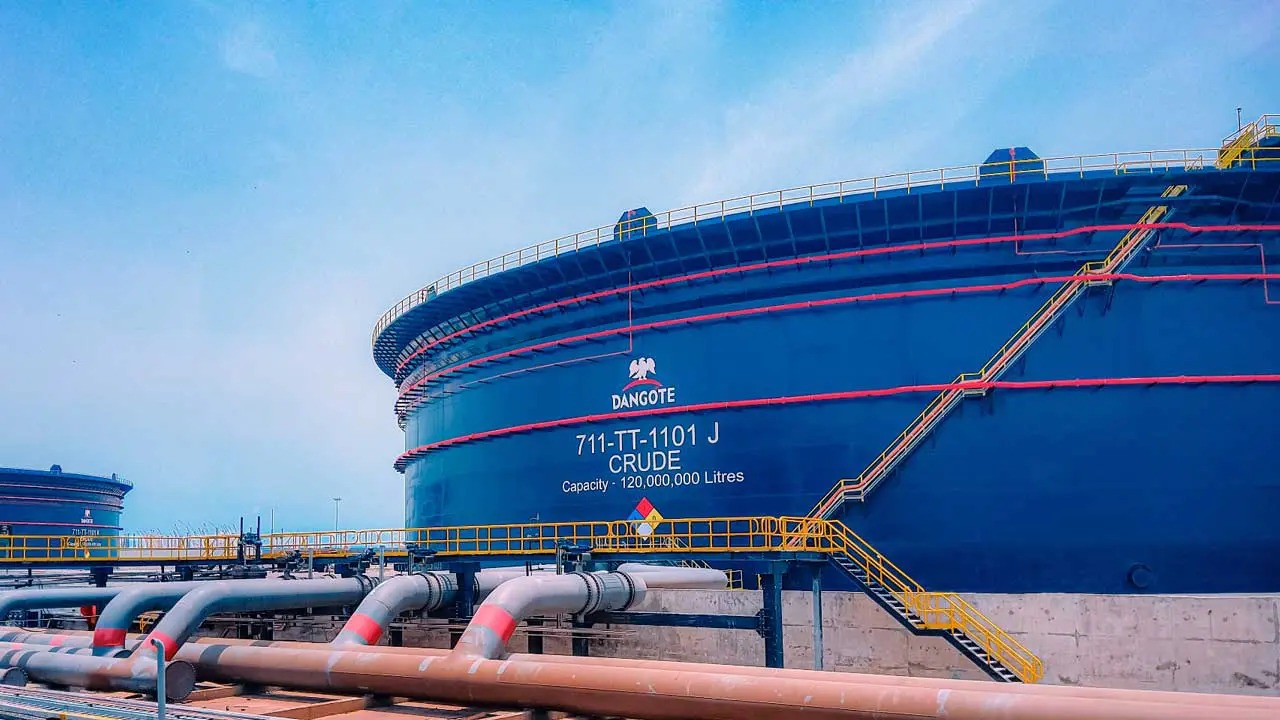
 In a major development for the nation’s energy sector, the Dangote Petroleum Refinery has announced a significant reduction in the gantry prices of both Premium Motor Spirit (PMS), popularly known as petrol, and Automotive Gas Oil (AGO), or diesel. This strategic price adjustment is effective immediately across all its distribution networks nationwide. The move is expected to provide immediate relief to businesses and consumers battling high energy costs.

The 700,000-barrel-per-day mega refinery officially lowered its petrol gantry price to N1,165 per litre, down from the previous rate of N1,215 per litre. Similarly, the price of diesel was cut to N1,570 per litre from its former price of N1,650 per litre. These changes represent a direct price drop of N50 per litre for petrol and N80 per litre for diesel at the refinery gate.

Industry experts believe this aggressive pricing strategy will trigger a positive chain reaction across Nigeria`s downstream petroleum sector. Because the Dangote Refinery serves as a primary supplier, local oil marketers will now procure bulk products at a much lower cost. Consequently, independent and major retail stations are expected to adjust their pump prices downward in the coming days.

The timing of this price cut is particularly critical for the Nigerian economy, which has faced severe inflationary pressures driven by high transportation costs. A reduction in diesel prices directly lowers logistics and manufacturing expenses, as most heavy-duty haulage vehicles and factories rely heavily on the product. Lower petrol prices will also reduce daily commuting expenses for millions of citizens.

Reacting to the development, leadership within the petroleum marketing sector expressed optimism about the sustainability of these lower rates. Stakeholders noted that domestic refining significantly eliminates the heavy logistics costs, tracking fees, and international freight charges associated with importing refined petroleum products. This local advantage allows the refinery to pass direct savings onto the Nigerian public.

Confirming this outlook, Billy Gillis-Harry, the National President of the Petroleum Products Retail Outlets Owners Association of Nigeria (PETROAN), stated that retail prices remain sensitive to supply realities. He previously indicated that petroleum product prices would continue to decline if landing costs and operational overheads maintained a downward trajectory. This latest intervention by the refinery validates that projection.

Market analysts are also pointing out that this move intensifies competition in the domestic energy market. By consistently pricing its products competitively, the Dangote Refinery is challenging the pricing frameworks of imported alternatives. This dynamic forces other suppliers to either match these lower rates or lose market share, ultimately benefiting the end-user.

As filling stations begin to update their electronic boards with the new rates, citizens are watching closely to see how quickly retailers comply with the refinery’s price directive. The Federal Government and regular consumer protection agencies are expected to monitor the market closely to ensure that the N50 and N80 reductions are fully reflected at retail pumps nationwide.
ADVERTISMENT

You May Also Like