☰     THENEWSCREDIT
HOME BREAKING NEWS POLITICS METRO EDUCATION HEALTH SPORT ENTERTAINMENT OPINION VIDEOS SEARCH CONTACT

NEWS


NEWS /  Mon 16 Mar
Posted By; Akintayo Asamu

President Tinubu Directs Nationwide Rice Distribution to Support Citizens During Ramadan and Lent

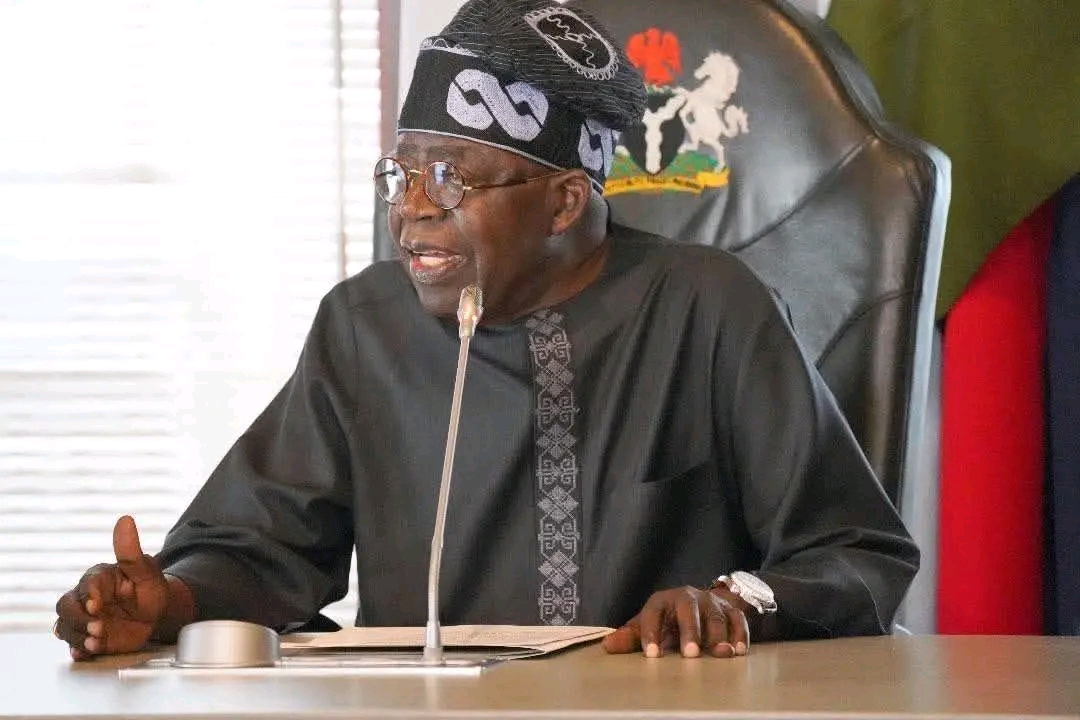
Renewed Hope Ambassadors, a political support group of President Bola Tinubu, has received directives from the President to distribute rice nationwide in support of citizens observing Ramadan and Lenten fasts. This was disclosed by the Director-General of the Renewed Hope Ambassadors and Imo State Governor, Hope Uzodinma, in a statement on Saturday. According to the statement, the exercise was aimed at strengthening “national unity and demonstrating compassion during a period that holds deep spiritual significance for both Muslims and Christians.” Uzodinma said the initiative demonstrated the President’s commitment to unity and compassion. “Ramadan and Lent are seasons that remind us of sacrifice, charity, and care for one another. Through this distribution, the Renewed Hope Ambassadors will ensure that families across Nigeria feel the spirit of togetherness during this sacred period. “Under the directive, the Renewed Hope Ambassadors will coordinate the distribution through their nationwide grassroots network to ensure that families across Nigeria benefit from the intervention during this holy season when both Muslims and Christians are fasting,” the statement said. A similar initiative took place last Christmas, when rice was distributed to assist Nigerians during the festive season, demonstrating the administration’s ongoing dedication to supporting citizens at key religious and cultural times. The distribution will cover both Christian and Muslim communities, highlighting the President’s focus on inclusivity and unity.
NEWS /  Sun 15 Mar
Posted By; Akintayo Asamu

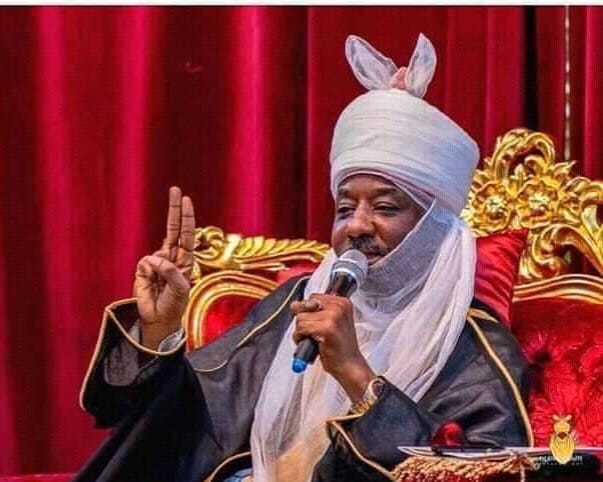
Hold on to God, Not Men": Sanusi Advises Against Desperation

A former Governor of the Central Bank of Nigeria and 16th Emir of Kano, Muhammadu Sanusi II, has explained why he remained calm and steadfast after losing two of the most powerful positions he once held in public life. Sanusi spoke on resilience and faith while addressing participants at the Fola Adeola Annual Ramadan Lecture on Sunday. Sanusi served as CBN governor from 2009 to 2014 before being installed as Emir of Kano. He was dethroned in 2020 by the administration of former Kano State Governor Abdullahi Ganduje and reinstated to the throne in 2024 by current Governor Abba Yusuf. As reported by Daily Trust, the monarch reflected on how his belief in God helped him navigate difficult periods following his suspension as CBN governor and his later removal as Emir of Kano. He said people often make the mistake of attributing power and outcomes to individuals rather than recognising that circumstances change only by the will of God. “Too often in our lives, we attribute things to human beings, but they are all created. “Remembering that situations are not permanent, that Allah changes your circumstances, helps you cope and conduct yourself,” Sanusi said. He also cautioned against humiliating oneself in pursuit of favour from powerful individuals, noting that many people wrongly believe their fortunes depend entirely on others. “I’ve seen people who beg, cringe, and bow to human beings. They humiliate themselves because they feel this person is the one who holds the path to their position,” he said. Drawing from his personal experience, Sanusi said his life journey demonstrates how quickly fortunes can change. “I was suspended from being governor of the central bank. Three months later, I became an emir,” he said. “Several years ago I was removed as emir; four years later, I came back. I’m now in the same palace, I’m on my throne. Yes, there are challenges but at the end of the day you hold on to God. You don’t panic.” Sanusi said his time away from Kano following his dethronement allowed him to avoid situations that might have been humiliating and gave him the opportunity to pursue academic work. “I think of all the things that could have happened if I was in Kano in the last four years, the humiliation I could have faced, the people I would have had to deal with, the people I would have had to report to, but God was so merciful, so kind. He took me away from that. He gave me a chance, I went and did a PhD and I’m back,” he said. He also emphasised that losing positions should not be seen as the end of one’s purpose in life, urging people to remain guided by their principles. “If I’m taken away from positions, it’s not a big deal. At the end of the day, I ask myself, have I done anything to offend God?” he said. “It’s better for you to leave there and keep to your principles than to stay there and earn the wrath of Allah.”
NEWS /  Sun 15 Mar
Posted By; Akintayo Asamu

Rural Women’s Business Growth Stunted by Power, Internet Deficits — Women Radio CEO

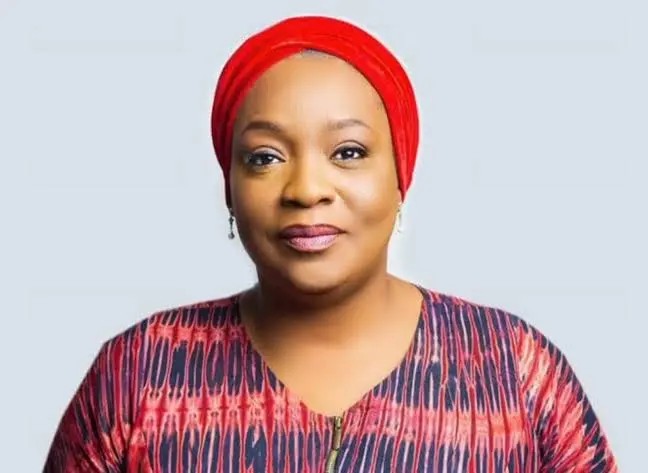
The Chair of the Board of Directors of Women Radio WFM 91.7, Toun Sonaiya, has said Nigerian women, particularly those in rural communities, face significant challenges that hinder their ability to contribute fully to national development. Sonaiya stated this during her remarks at the second edition of Nigerian Women’s Day, held as part of activities at the 70th session of the United Nations Commission on the Status of Women in New York on Thursday. According to a statement made available to PUNCH Online on Sunday, the event, themed “31 Years of Progress, Resilience, Impact and Renewed Hope,” was organised by the Federal Ministry of Women Affairs and Social Development under the leadership of the Minister, Imaan Sulaiman-Ibrahim. It brought together members of the Nigerian diaspora, diplomats, gender advocates and global leaders, including the United Nations Deputy Secretary-General, Amina Mohammed. Speaking at the event, Sonaiya said, “Nigerian women, children, families and vulnerable people, especially in 774 rural areas, face big challenges that stop them from contributing to the country’s growth.” She identified some of the challenges as lack of electricity, limited access to finance and internet services, poor healthcare, limited educational opportunities and low representation of women in leadership positions. Sonaiya called on Nigerians at home and in the diaspora, as well as development partners, to support programmes aimed at empowering women and strengthening communities. She noted that the Ministry of Women Affairs had introduced several initiatives under the Renewed Hope Social Impact Interventions 774 framework, designed to support women and vulnerable groups across the country. Among the programmes highlighted were PowerHer774, which seeks to expand clean energy access to one million women and their households across the 774 local government areas, and the Women Agro Value Expansion programme targeting three million women in agriculture. Other initiatives include programmes focused on digital literacy for women and girls, child development support and interventions aimed at improving women’s health and economic empowerment. “Your positive contribution is like a piece of a jigsaw. Bit by bit we will build a bigger positive Nigeria,” Sonaiya said, urging stakeholders to partner with the government in implementing the programmes. In her address, Sulaiman-Ibrahim called for increased global and domestic investments to advance women’s empowerment. “Transforming women’s lives at scale requires sustained investment, strong partnerships, and coordinated action,” the minister said. “There is an urgent need for greater investment in women and girls, both domestically and globally. Women’s empowerment is not a social programme; it is an economic strategy, a security strategy, and a development imperative.” The event also featured a fireside conversation between the minister and the United Nations Deputy Secretary-General, focusing on Nigeria’s gender equality goals and the global agenda for women’s empowerment. Participants discussed challenges and opportunities affecting women and girls across Africa and beyond. Panel discussions held during the event addressed topics including Global Leadership, Peace and Security for Social Impact; Women, Institutions and the Economy; and Positive Masculinity. Speakers included the Minister of State for Labour and Productivity, Nkeiruka Onyejeocha; Chairman of the National Population Commission, Aminu Yusuf; Executive Secretary of the National Human Rights Commission, Tony Ojukwu; and Country Director of ActionAid Nigeria, Andrew Mamedu, among others. The programme also featured cultural performances and presentations highlighting the role of women in leadership, innovation and social development.
NEWS /  Sat 14 Mar
Posted By; Akintayo Asamu

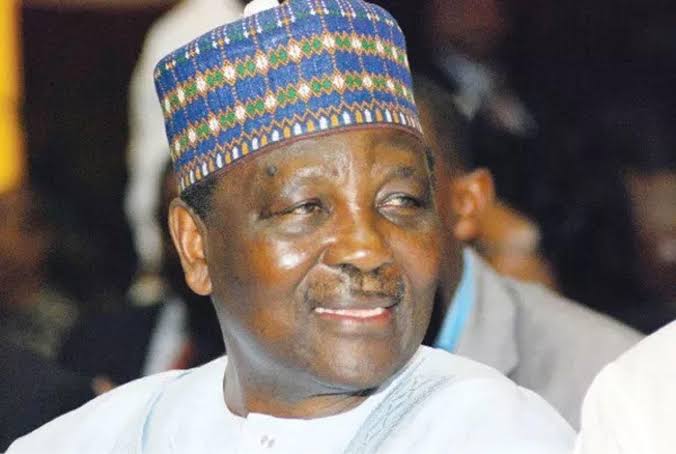
Gowon Applauds Tinubu’s Efforts to Stabilize Nigeria

Former Head of State, Yakubu Gowon, on Saturday said President Bola Tinubu is “doing the best he can all round” in managing the affairs of Nigeria. Gowon made the remark after his meeting with Tinubu at the Presidential Villa, where he commended the president’s performance. He expressed satisfaction with Tinubu’s leadership across key sectors, including politics, the economy and social development, as well as efforts to tackle insecurity. “As far as it goes, isn’t he doing the best he can all round? So there is no particular place. Every other area—political, economic, social, etc.—and of course, the major problem that we have today, security in the area, he’s doing everything to deal with those for the good of Nigeria,” Gowon said. When asked to highlight specific areas where the president should improve, the elder statesman maintained that Tinubu’s administration is already addressing the country’s key challenges. “There is no particular place. He’s got to look after the interests of Nigeria in all areas,” he added. Gowon explained that his visit to the Presidential Villa was primarily to appreciate the president’s efforts and acknowledge what he described as progress being made under the current administration. “I came to see him and to thank him for all the good work that he’s doing for the country. “We had to look at all the good work that the president is doing and the progress that Nigeria is making economically and otherwise,” he said.
NEWS /  Fri 13 Mar
Posted By; Akintayo Asamu

Oyo State Electricity Market Takes Shape with New Acting Board Appointments

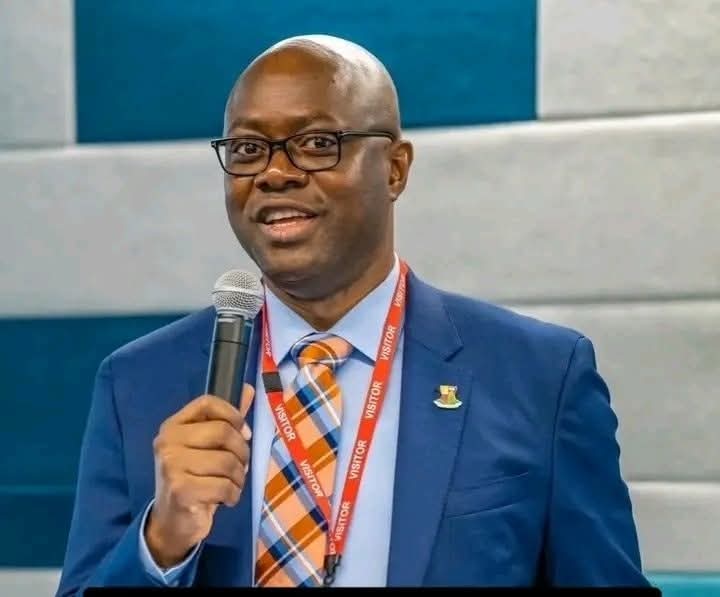
The Oyo State Governor, Seyi Makinde, has appointed the Commissioner for Energy and Mineral Resources, Prof. Dahud Kehinde Shangodoyin, as the Acting Chairman of the Oyo State Electricity Regulatory Commission. This is in a bid to facilitate the oversight functions of the commission and accelerate the opening of the state’s electricity market. The governor also appointed Mr. Ayanniyi Taiwo as Acting Secretary; Solomon Oyekunle, Acting Technical Member; Abiodun Adedoja, Acting Strategy Member; and Mrs. Omolara Omoremi, Acting Legal Member, according to a release issued on Friday by his Special Adviser (Media), Dr Sulaimon Olanrewaju. The Acting Chairman, in a statement, said the appointments were significant in the operationalisation of the Oyo State Electricity Regulatory Commission. According to him, the step “marks a major step in the implementation of the Electricity Act 2023 and the Oyo State Electricity Regulatory Commission Law 2024, which empowers Oyo State to regulate its intrastate electricity market under Nigeria’s evolving dual-tier regulatory framework.” It added that the appointments in acting capacity were aimed at “driving the institutional take-off of the commission and establishing foundational regulatory systems, licensing frameworks, compliance mechanisms, tariff oversight methodologies, consumer protection architecture, and internal governance structures.” Shangodoyin said the governor would make substantive appointments upon the formal passage of the Oyo State Electricity Market Bill into law. Explaining the oversight functions of the OYSERC, Shangodoyin stated that the commission will focus on the licensing of generation, distribution, embedded generation, captive power, and mini-grid projects within Oyo State, tariff regulation and service band oversight to prevent arbitrary upgrades, consumer complaint resolution and protection mechanisms, monitoring, compliance, and enforcement of service standards, promotion of embedded generation and local electricity market development and enforcement of technical and safety standards. He said: “By decentralising regulatory oversight, Oyo State is now positioned to respond more quickly to electricity service gaps, strengthen accountability of operators, and encourage private sector investment in local power solutions. “As a commission, we have recorded some achievements within the initial operational period, including the receiving and reviewing of consumer petitions, engaging constructively with distribution operators and stakeholders, facilitating resolution of select electricity disputes, initiating alignment with the Oyo State Electricity Priority Plan & Implementation Roadmap (2026–2031) and advancing institutional systems, staffing, and administrative frameworks. “Our focus is to open up the Oyo Electricity Market and we are positioning the state to encourage embedded and distributed generation, attract private sector investment, improve service delivery and accountability, strengthen consumer confidence, accelerate infrastructure expansion and enhance power reliability across the state. “This is a milestone that underscores Oyo State’s commitment to regulatory clarity, institutional robustness, financial sustainability, and improved electricity access for residents, businesses, and public institutions.” In a related development, the statement indicated that on February 12, the OYSERC held a high-level technical meeting with the Nigerian Electricity Regulatory Commission in Abuja to ensure regulatory coordination and seamless market transition. The statement read: “The engagement focused on jurisdictional clarity under the Electricity Act 2023, licensing and regulatory frameworks, tariff oversight and service band accountability, consumer protection systems, compliance monitoring and enforcement, digital regulatory platforms and data integration and institutional capacity development. “The meeting reaffirmed the spirit of cooperative federalism embedded in Nigeria’s electricity reform and laid the groundwork for structured collaboration between federal and state regulators.”
NEWS /  Fri 13 Mar
Posted By; Akintayo Asamu

No More Loans: CBN Restricts Services for Defaulters

The Central Bank of Nigeria (CBN) has issued a stern directive to commercial banks, ordering them to immediately halt the extension of further credit to “large-ticket obligors” who have failed to repay existing loans. This move targets high-value borrowers, both individuals and corporations, whose massive unpaid debts are deemed a systemic risk to the stability of the nation’s financial infrastructure. Under the new mandate, any borrower identified as a non-performing large-ticket obligor within the Credit Risk Management System (CRMS) or by licensed private credit bureaus is strictly barred from accessing new loans. The restriction extends beyond simple cash advances to include a wide array of banking services such as letters of credit, performance bonds, bankers’ confirmations, and advance payment guarantees. To further insulate the banking sector from potential defaults, the apex bank has instructed financial institutions to demand additional realisable collateral from these heavy debtors. This measure is intended to ensure that existing exposures are adequately secured, protecting depositors’ funds and maintaining the capital adequacy ratios of the affected banks. The CBN defined these specific obligors as customers whose total debt across the banking industry either exceeds the Single Obligor Limit (SOL) or materially threatens a bank’s financial health. By targeting these specific entities, the regulator aims to curb credit abuse and prevent a ripple effect that could destabilize the broader economy. This latest policy reinforces a previous circular from 2014, signaling a renewed and more aggressive stance on credit discipline. Coming just a week after the CBN ordered banks to conduct comprehensive stress tests, the directive underscores a prioritized mission to sanitize the Nigerian banking system and enforce stricter prudential compliance.
NEWS /  Fri 13 Mar
Posted By; Akintayo Asamu

Sleep Well, Live Better: Why Adults Need 7–9 Hours of Rest, Say Experts.

Medical experts have advised adults to get between seven and nine hours of sleep daily to maintain good physical and mental health. A Consultant Family and Lifestyle Medicine Physician, Dr Moyosore Makinde, gave the advice on Friday in Lagos while speaking with the News Agency of Nigeria to mark World Sleep Day. Makinde, who is also the President of the Society of Lifestyle Medicine of Nigeria, said adequate sleep plays a vital role in maintaining overall wellbeing, productivity and long-term health. The 2026 World Sleep Day, themed “Sleep Well, Live Better,” is dedicated to raising awareness about sleep’s critical role in human health and encouraging individuals to adopt healthier sleep habits. Makinde explained that recommended sleep duration varies by age, noting that while adults require fewer hours, infants and children need longer sleep periods for proper development and overall well-being. Citing World Health Organisation stipulations, Makinde recommended seven to nine hours of restorative sleep for adults above 18, explaining that infants and children required significantly longer sleep duration. She decried the high level of sleep deprivation among the populace, noting many people failed to get adequate sleep daily, a situation she warned could negatively affect health, safety and well-being. Makinde said the fast pace of modern life often left little time for rest, urging Nigerians to deliberately prioritise sleep by creating time for proper rest, relaxation and recovery daily. She attributed sleep deprivation to multiple factors, including health challenges, lack of time, social media addiction, poor sleeping environments, unhealthy sleep positions, and demanding daily schedules aimed at survival. According to Makinde, prolonged sleep deprivation increases risks of accidents, judgment errors, workplace mistakes, Type 2 diabetes, heart disease, obesity, overweight, and certain cancers, including breast and prostate. “Sleeping well in order to live better is not a myth. Sleep remains one of the most powerful yet often neglected pillars of health and well-being in modern society. “To maintain good health, adults should have seven to nine restorative hours of sleep per day. “Infants require up to 16 to 17 hours of sleep, while pre-school and school-age children need up to 13 hours and 12 hours, respectively, for proper brain development,” Makinde added. According to her, sleep is as important as the food we eat, the water we drink and the air we breathe. “It is a natural state of rest and a period when the body repairs itself physiologically, restoring energy, strengthening immunity and supporting overall bodily functions. “Amid the hustle and bustle of work, study and business, particularly in Lagos, Nigerians need to prioritise sleep. “In doing so, we are also prioritising our health,” she said. Contributing, a psychiatrist and therapist, Dr Maymunah Kadiri, described sleep as “an integral part of mental well-being,” stressing its critical role in maintaining psychological balance. Kadiri, also Medical Director of Pinnacle Medical Services, explained that good sleep improved concentration, enhanced brain performance and contributed positively to overall cognitive functioning and emotional stability. She noted that adequate sleep supported cognitive processes and helped reduce symptoms of depression and anxiety, making it an essential component of maintaining good mental health. According to her, healthy sleep goes beyond hours spent in bed, noting that it involves adequate duration, good sleep quality that is uninterrupted and refreshing, and a consistent sleep schedule. “Sleep significantly benefits mental health. During a good night’s sleep, the brain gets rest and all the nutrients it needs. “A person who enjoys long-term good sleep develops improved stress resistance. Brain function improves, and the risk of cognitive disorders is significantly reduced over time. “Sleep has a direct impact on mental health and its quality. It helps process emotions and alleviates stress as well as negative feelings,” Kadiri said.

NEWS /  Tue 10 Mar
Posted By; Akintayo Asamu

OYSIEC Reschedules Oyo Local Government Elections to December 29, 2026

The Oyo State Independent Electoral Commission (OYSIEC) has officially rescheduled the local government council elections to Tuesday, December 29, 2026. The decision, announced by OYSIEC Chairman Dr. Babatunde Adeniyi on March 10, 2026, moves the polls forward from the previously slated date of January 16, 2027. THENEWSCREDIT says, OYSIEC reschedules the election to Tuesday, December 29, 2026. Begins at 8:00 A.M. to 3:00 P.M. across all 33 local government areas. THENEWSCREDIT reports that,Electioneering activities must conclude by midnight on Monday, December 28, 2026. The adjustment was necessitated by a revision to the national electoral timetable by the Independent National Electoral Commission (INEC). INEC moved the 2027 Presidential and National Assembly elections from February 20 to January 16, 2027—the exact date OYSIEC had originally chosen for the local polls. To avoid "operational congestion" and ensure "optimal security deployment," the commission opted for the December 2026 date to maintain administrative clarity and electoral integrity. Adeniyi said,the election will determine the successors to the current chairmen and councillors whose tenures are set to expire on May 23, 2027. Governor Seyi Makinde has previously emphasized his commitment to conducting these polls before the end of his administration in 2027 to further strengthen local democracy. Dr. Adeniyi urged all political parties and stakeholders to align their preparations with the revised timetable, reiterating the commission`s commitment to a transparent and inclusive process.
NEWS /  Mon 09 Mar
Posted By; Akintayo Asamu

Unity in Fasting: President Tinubu Welcomes Religious and Traditional Leaders to State House Iftar

President Bola Tinubu is hosting Christian and Muslim clerics alongside traditional rulers to an interfaith breaking of fast at the State House, Abuja. The event, which began at 7pm at the Presidential Banquet Hall, is bringing together religious leaders and monarchs from across the country as Muslims and Christians observe Ramadan and Lent respectively. Our correspondent observed that guests were conveyed to the Villa in multiple white coaster buses, arriving at the forecourt of the State House. Vice President Kashim Shettima, Chief of Staff to the President Femi Gbajabiamila, and several top government officials are also present at the gathering. The interfaith dinner is part of the President’s annual Ramadan tradition of hosting key stakeholders, including political leaders, religious figures, and traditional institutions during the holy month. In similar gatherings in the first week of Ramadan, Tinubu hosted governors and lawmakers, where he emphasised the urgency for the creation of state police. The President is expected to host additional Iftar gatherings with members of the diplomatic corps, and other stakeholders before the end of Ramadan. Muslims are currently in the last ten days of Ramadan, which include the Night of Power (Laylatul Qadr), while Christians continue the Lenten fasting leading to Easter.
NEWS /  Mon 09 Mar
Posted By; Akintayo Asamu

Another Adjustment: Dangote Refinery Sets Petrol at N1,175, Diesel at N1,620

The Dangote Petroleum Refinery has again increased the price of the Premium Motor Spirit, PMS, marking the third upward adjustment within a week. ​ The refinery made the announcement of the price hike to marketers on Monday, raising the gantry price of Premium Motor Spirit to N1,175 per litre from N995 per litre announced on Friday. This is said to represent an increase of N180 or about 18.1 per cent within three days. The refinery equally revised the gantry price of Automotive Gas Oil, commonly known as diesel, to N1,620 per litre. THENEWSCREDIT had reported that the refinery recently increased its PMS to N995 per liter, up from N874 at the weekend, a hike that has pushed fuel pump price to above N1,000 per liter nationwide.
Page 50 of 130


Home   About Policy Contact

2026  ©
Developed by KITE