
POLITICS
N1,470/Litre Petrol: Where Are the Subsidy Savings? Atiku Blasts Tinubu’s Government
Published on Mon 14 Sep 2026 By Akinwale Akintayo
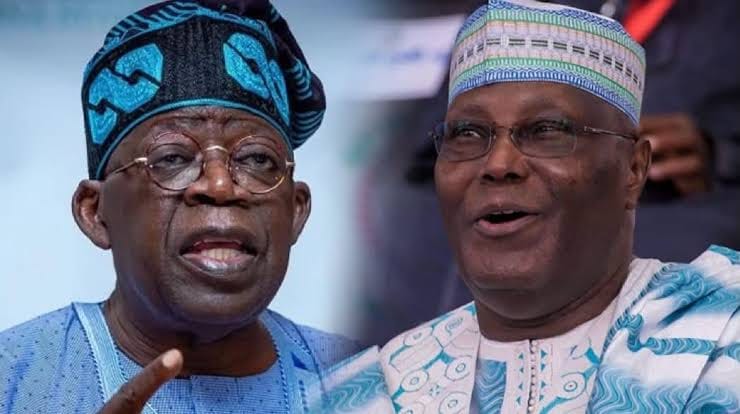
 Former Vice President Atiku Abubakar has fiercely questioned the President Bola Tinubu-led administration over the utilization of trillions of Naira saved from the petrol subsidy removal. This intervention follows a fresh, record-breaking spike in the pump price of Premium Motor Spirit (PMS) to a staggering N1,470 per litre across the country.

In a strongly-worded statement released by his spokesperson, Phrank Shaibu, Atiku raised the alarm over the continuous, unchecked escalation of fuel prices. He argued that the current pricing regime has completely crushed the purchasing power of regular Nigerians and plunged millions deeper into an unprecedented cost-of-living crisis.

The opposition leader stressed that the latest price hike is not an isolated economic metric but an aggressive burden on everyday households. He noted that because Nigeria’s informal economy relies heavily on petrol, the immediate consequence of the hike has already manifested in a drastic surge in transportation costs and food prices.

Atiku fundamentally challenged the economic rationale behind the painful removal of the petrol subsidy, demanding to know why the resulting financial windfalls have not been deployed to cushion the economy. He noted that the citizens, who were promised immediate relief and infrastructure development in exchange for their sacrifice, have instead been left completely vulnerable to severe economic hardship.

"Petrol at N1,470 per litre is not merely a figure at the filling station," Atiku stated. "It enters the price of transportation, food, school runs, farming, manufacturing, and virtually everything Nigerians buy. After all the pain imposed on Nigerians, they have a legitimate right to ask: where are the subsidy savings, and where is the money?"

Drawing a historic economic parallel, the former Vice President highlighted a stark paradox between the current administration`s energy policies and those of past leaderships. He recalled that during the administration of the late President Umaru Musa Yar’Adua in 2008, global crude oil prices peaked at a historic high of roughly $147 per barrel, yet domestic petrol was maintained at a heavily stabilized rate of N65 per litre.

In contrast, Atiku pointed out that with global crude oil currently trading at a significantly lower rate of around $102.52 per barrel, Nigerians are paradoxically being forced to pay an exorbitant N1,470 per litre. This massive discrepancy, he argued, highlights a severe failure in regulatory oversight and structural economic management by the current government.

Atiku concluded his address by asserting that the sharp contrast between 2008 and today proves a fundamental divergence in governance philosophies. He emphasized that the Yar’Adua administration succeeded because it firmly understood that macro-economic policies must ultimately serve as a shield to protect, rather than exploit, the welfare and survival of its citizens.
ADVERTISMENT

You May Also Like
.jpg)



