NEWS
End of an Era: Ancient 420-Year-Old Palace Tortoise `Baba` Dies in Oyo
Published on Thu 17 Sep 2026 By Akinwale Akintayo
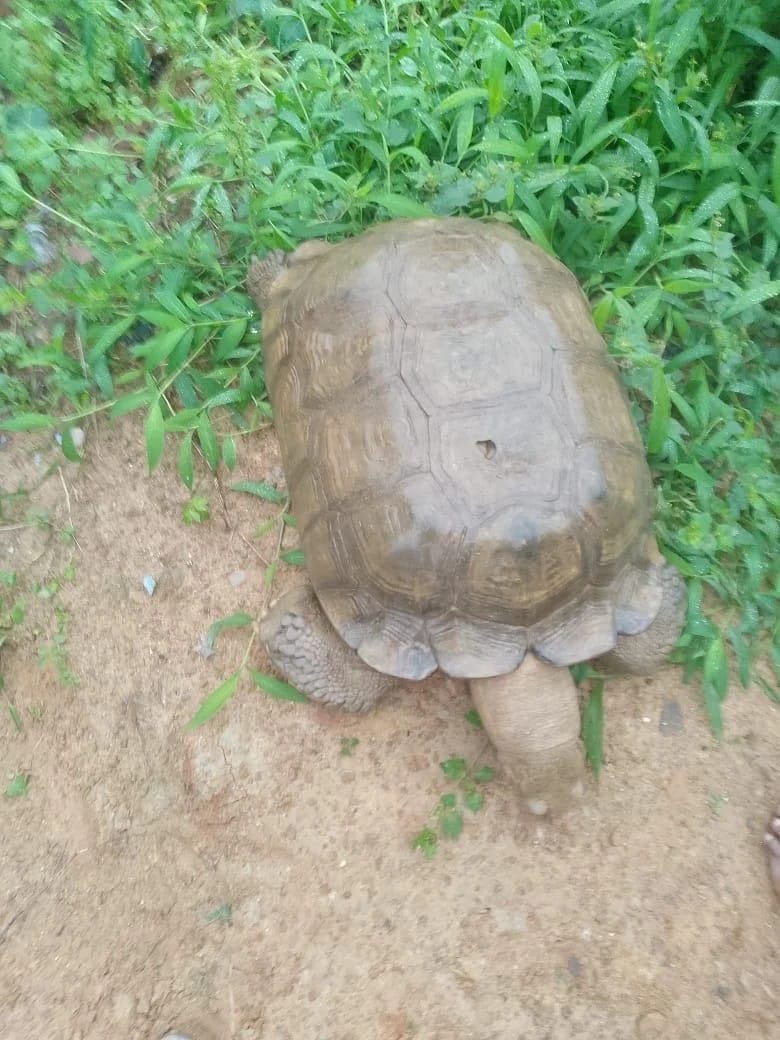
 The ancient Oyo Kingdom is in mourning following the death of its oldest and most revered non-human resident, Baba, a legendary tortoise believed to be 420 years old. The iconic reptile, considered a living link to the kingdom`s imperial past, passed away quietly on Monday after a brief illness and has since been laid to rest within the palace grounds.

The Director of Media and Publicity to the Alaafin, Bode Durojaiye, officially broke the news to the public in a formal statement issued in Ibadan on Thursday. The announcement has triggered a wave of nostalgia and grief across the nation, as citizens and cultural enthusiasts react to the departure of a creature that outlived generations of historical figures.

According to palace archives and oral tradition, Baba’s origin dates back to Oyo-Ile, the capital of the historic Old Oyo Empire. He was later transported to the modern palace in Oyo town, where he remained for centuries, witnessing the rise and fall of eras and surviving as a permanent fixture of the royal court.

Over the centuries, Baba became the ultimate royal heirloom, meticulously cared for by successive Alaafins who inherited him as part of the sacred relics of their ancestors. "Baba was more than a turtle in status; he represented a part of the oral history of the Yoruba race," Durojaiye stated, adding that the reigning monarch has lost an irreplaceable, ageless companion.

In recognition of his unprecedented longevity and imposing size, the tortoise was affectionately regarded as Oyo’s "oldest indigene." Out of deep cultural reverence, palace staff and locals refrained from using a common name, instead adopting "Baba" (meaning Father) to denote his senior status and masculine presence.

The legendary reptile lived a structured and pampered life inside the palace, where two dedicated officials were assigned exclusively to cater to his daily needs. His specialized royal diet consisted primarily of fresh watermelons, selected grasses, and corn pap meticulously wrapped in leaves.

Beyond his status as a royal pet, Baba was a massive economic and cultural asset, transforming his palace abode into a bustling tourist hotspot that drew thousands of curious visitors globally. The palace administration also linked his enduring existence to the core Yoruba philosophy regarding the cosmic connection between the living, the dead, and the unborn—a theme famously dramatized in Wole Soyinka’s Death and the King’s Horseman.

The palace revealed that Baba`s final moments came abruptly after he showed signs of physical weakness early in the week. "Baba fell ill on Monday, just a little sickness, and couldn’t eat anymore; then he died, just like that," the statement concluded, marking the definitive end of a 4-century-old eyewitness to Yoruba history.
ADVERTISMENT

You May Also Like