EDUCATION
LITERACY CRISIS: 75% of Nigerian Children Fail to Read by Age 10
Published on Wed 01 Jul 2026 By Akintayo Asamu
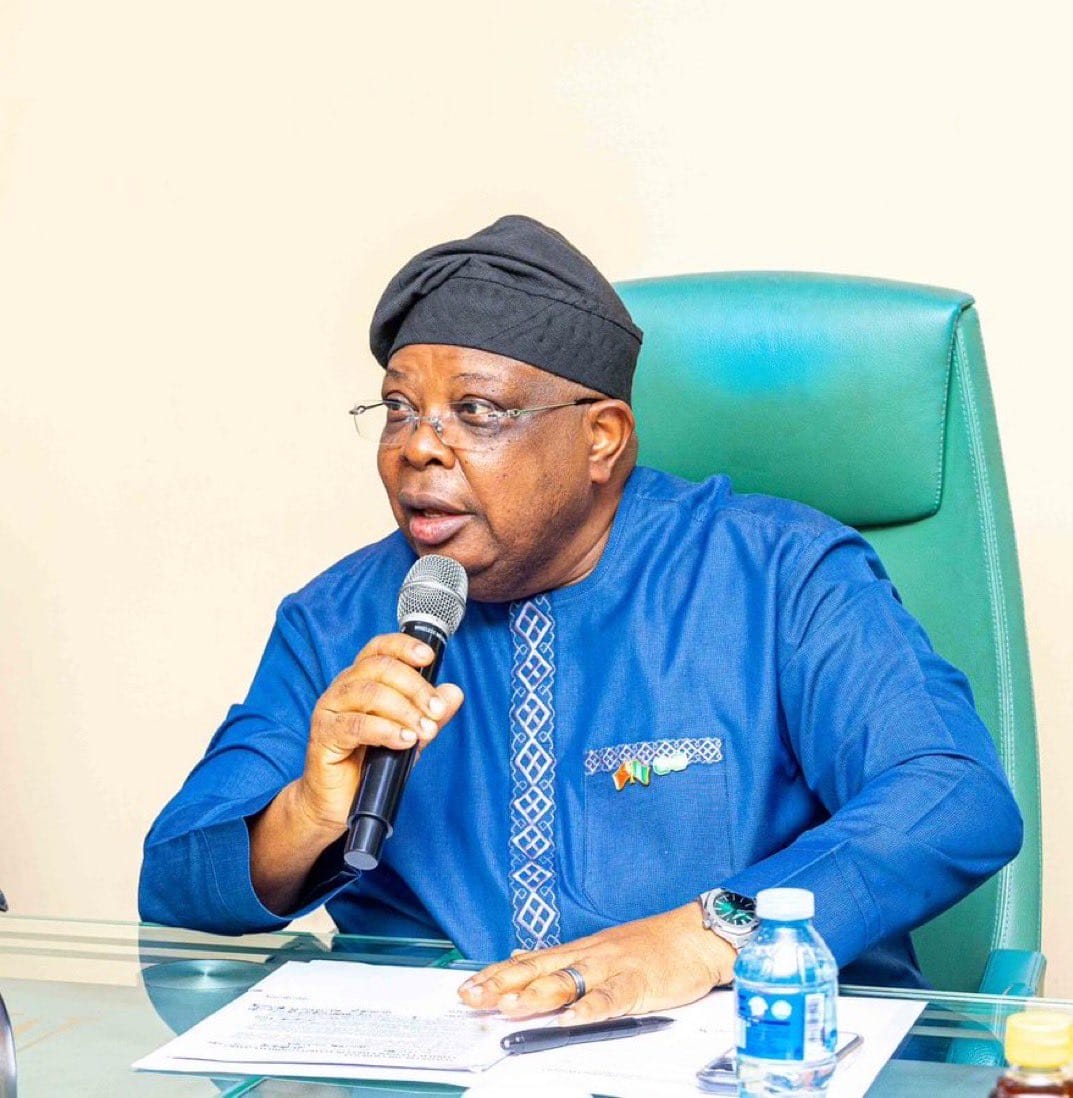
 The Federal Government has raised a national alarm over Nigeria’s deepening education emergency, revealing that three out of every four children at the basic school level cannot read or understand a simple sentence by age 10.

The Minister of Education, Dr Olatunji Alausa, made the disclosure in Abuja during a high-stakes roundtable meeting on digital learning resources, jointly organized by the Federal Ministry of Education and the Universal Basic Education Commission (UBEC).

Describing the statistics as "simply unacceptable," Dr Alausa warned that the country`s severe "learning poverty" requires an immediate, technology-driven intervention to prevent total collapse.

"Learning poverty means that by the age of 10, a child cannot read and understand an age-appropriate text," Alausa explained to an audience of state education commissioners and State Universal Basic Education Board (SUBEB) chairmen. "In Nigeria today, three out of every four children are learning poor. We don’t have a choice anymore. We must deploy digital learning to every part of the country, including the most rural communities."

The Minister stressed that manual teaching methods are no longer sufficient to close the widening gap, positioning e-learning as the definitive future of Nigerian education.

The federal government expressed deep frustration over the poor utilization of existing digital infrastructure, which was heavily funded by taxpayers and international development partners.

While the country counts an estimated 67 million learners across primary and secondary schools, the government`s flagship digital platform—the Nigeria Learning Passport (NLP)—has recorded just 2.3 million users.

"This is still extremely low," the Minister lamented. "We have invested significant resources in these platforms. If they are not used, then it becomes a wasted investment. We cannot continue to suffer in the midst of plenty."


Rather than replacing physical educators, Alausa clarified that platforms like the NLP, Inspire, Ignite, EduRevamp, E-Learn, and the Greenfield Learning Management System are built to complement classroom efforts.

The virtual infrastructure offers curriculum-aligned lessons taught by top-tier educators, designed specifically to bail out schools suffering from acute shortages of qualified teachers in core subjects like Mathematics, English Language, Physics, and Chemistry. Under the proposed model, rural or understaffed schools can stream live or recorded virtual sessions, allowing students to interact with remote teachers in real-time.

The Minister lauded the United Nations Children’s Fund (UNICEF) for its pivotal role in developing the Nigeria Learning Passport, noting that the platform proved its worth during COVID-19 lockdowns and remains vital for sustaining education in communities hit by insecurity and prolonged school closures.
ADVERTISMENT

You May Also Like