☰     THENEWSCREDIT
HOME BREAKING NEWS POLITICS METRO EDUCATION HEALTH SPORT ENTERTAINMENT OPINION VIDEOS SEARCH CONTACT

BREAKING


NEWS /  Sat 27 Jun
Posted By; Akintayo Asamu

`I Am Ashamed` – Joe Igbokwe Slams Nigerians Over Backlash on First Lady’s `Akara` Advice

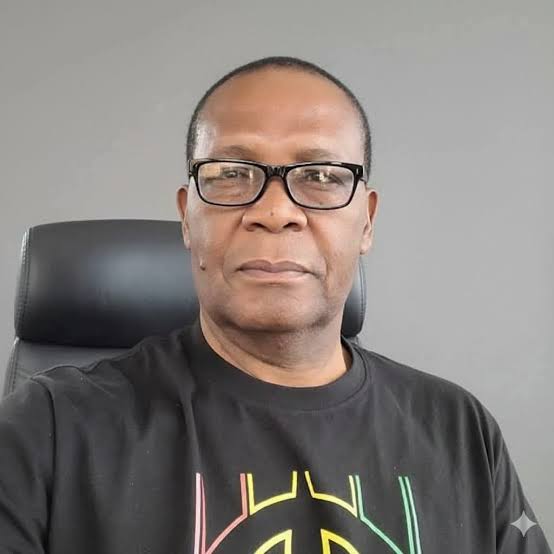
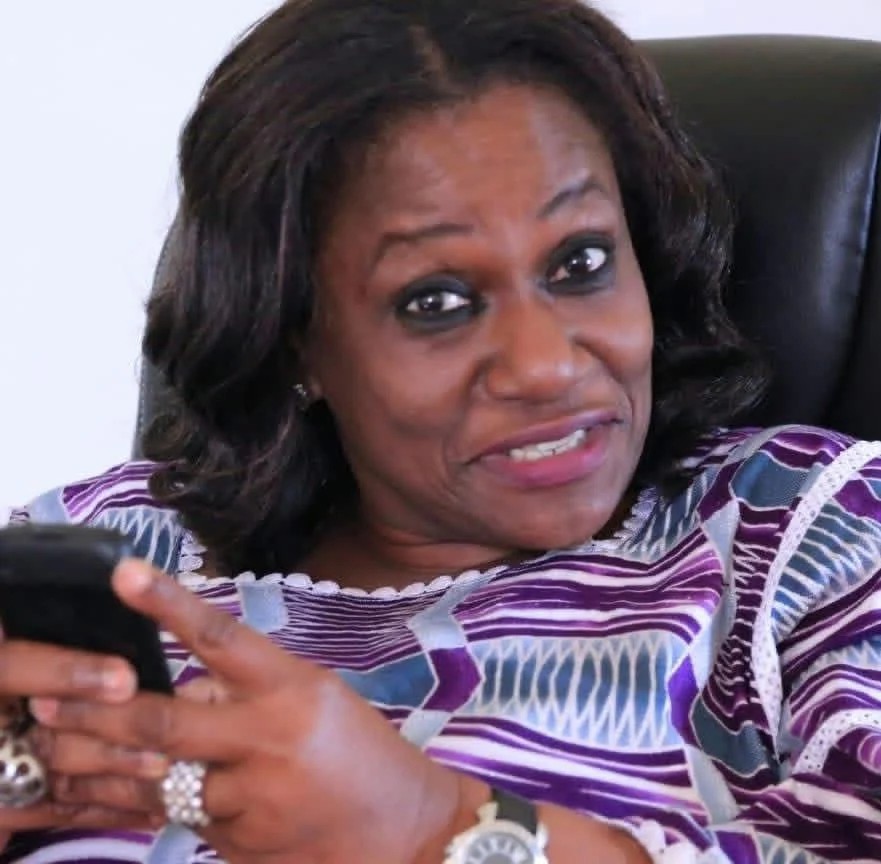
A prominent chieftain of the All Progressives Congress (APC), Joe Igbokwe, has expressed deep concern and shame over the intense online backlash directed at the First Lady, Senator Oluremi Tinubu, following her recent remarks on youth employment. The controversy stems from a viral video where the First Lady urged young Nigerians to embrace entrepreneurship and small-scale businesses. In her speech, she noted that setting up petty trades, such as commercial bean cake (Akara) frying, is a viable and accessible option for self-sustenance. However, the comment drew sharp criticism from social media users, many of whom accused the presidency of trivialising the country’s high unemployment rate instead of implementing robust job creation strategies. Responding to the critics via his official Facebook page on Saturday, Igbokwe robustly defended the First Lady`s stance, describing her statement as "honest advice." He sharply rebuked the youth for using social media as a vehicle for insults, expressing fear over the attitude of the younger generation. "An honest advice HE Oluremi Tinubu gave to young Nigerians on how to help themselves has become a tool to abuse and to pour invectives," Igbokwe stated, adding that he felt enveloped by shame over what he termed the public conduct of the critics.
METRO /  Fri 26 Jun
Posted By; Akintayo Asamu

‘WE WANTED TO TEACH HER A LESSON’How Ex-OGTV Broadcaster, Guard Were Murdered By Disgruntled Former Employee.

The Ogun State Police Command has arrested a 22-year-old former security guard, Sodeinde Olajuwon Philip, and two accomplices for the brutal murder of retired OGTV broadcaster, Madam Olakitan Oyesiku, and her guard, Pelumi Adetayo. The State Commissioner of Police, Bode Ojajuni, paraded the suspects on Thursday at the command headquarters in Eleweran, Abeokuta. He revealed that Philip orchestrated the gruesome double homicide over lingering grievances from his time in Oyesiku`s employment. According to the police, the suspect confessed that the attack was designed to "teach her a lesson." The tragic incident occurred on Saturday afternoon, June 20, 2026. Armed with a hammer, cutlass, and a wooden plank, Philip led his recruited accomplices—Sakirudeen Abdulraheem Ayoola, 27 (a security guard), and Sobu Obafunsho, 36 (a bricklayer)—to the broadcaster`s residence. The gang first targeted the active security guard, 38-year-old Pelumi Adetayo. After overpowering him at his duty post, they forced him to grant them entry into the main building. Once inside, the suspects killed Madam Oyesiku in her apartment before executing Adetayo to eliminate any witnesses. They subsequently fled the scene in the broadcaster`s Lexus RX330 SUV. The crime began to unravel after concerned neighbors noticed unusual silence and suspicious movements at the house, prompting them to alert the police. Responding detectives discovered forced entry, finding Adetayo`s body in the security post and Oyesiku’s corpse inside her room. The breakthrough in the investigation came via technical and intelligence-led tracking, which led to the recovery of the stolen Lexus SUV in the Onikolobo area of Ogun State. Inside the abandoned vehicle, detectives discovered a handwritten note. Forensic analysis of the text and the pen directly linked the writing to Philip. Armed with forensic data, police operatives tracked Philip to a construction site in Ibara GRA, Abeokuta, where he was working as a laborer. He was apprehended on Wednesday, June 24. His interrogation led to a swift follow-up operation that netted his two co-conspirators. The police have recovered the murder weapons, including a broken hammer, a cutlass, a wooden plank, and the black pen used to write the incriminating note. Commissioner Ojajuni stated that all three suspects have made confessional statements regarding their roles in the conspiracy. He assured the public that while the suspects are entitled to due process, the command is consolidating evidence to ensure diligent prosecution and secure justice for the victims.
HEALTH /  Fri 26 Jun
Posted By; Akintayo Asamu

Check Before You Chew: NAFDAC Launches Campaign Against Killer Diets

The National Agency for Food and Drug Administration and Control (NAFDAC) has ordered Nigerians to strictly inspect food labels before buying or eating packaged foods. The Director-General of NAFDAC, Prof. Mojisola Adeyeye, issued this warning on Friday during the official launch of the "Read the Food Label Campaign" in Abuja. Prof. Adeyeye revealed that reckless consumption of foods packed with hidden sugars, salt, saturated fats, and trans fats is directly driving up lethal health conditions across Nigeria. These include:Hypertension, Diabetes, Obesity, Cardiovascular diseases. The new safety campaign, built alongside key development partners, aims to rapidly boost nutrition literacy nationwide. NAFDAC insists that understanding ingredient lists must transition from an afterthought into an everyday, life-saving routine for all citizens. "The ability of consumers to understand, interpret, and apply information on food labels has never been more important," Prof. Adeyeye emphasized, noting that clear awareness will drastically slash the country`s heavy burden of preventable, diet-related illnesses.
NEWS /  Fri 26 Jun
Posted By; Akintayo Asamu

2027: Kwankwaso, Gwarzo Hold Closed-Door Meeting With Obasanjo In Kano

Ahead of the 2027 general elections, the vice-presidential candidate of the Nigeria Democratic Congress (NDC), Senator Rabiu Musa Kwankwaso, held a private meeting with former President Olusegun Obasanjo in Kano on Thursday night. Kwankwaso was accompanied by Comrade Aminu Abdulsalam Gwarzo, the NDC governorship candidate for Kano State. The high-profile meeting took place at Obasanjo’s temporary residence in Kano, where the former president is currently on an official assignment. A statement released and available to THENEWSCREDIT on Friday by Kwankwaso’s media aide, Saifullahi Hassan, confirmed the visit, describing the interaction between the political figures as an opportunity for "warm exchanges." While the sudden meeting coincides with a surge in political activities nationwide preparatory to the 2027 polls, both camps did not disclose the specific details of their discussions,THENEWSCREDIT reports. Insiders note that the encounter has already sparked intense speculation within political circles, despite no official indication that the talks centered on a new political alliance or electoral strategy.
NEWS /  Fri 26 Jun
Posted By; Akintayo Asamu

Afenifere Backs Igboho on Anti-Banditry, Slams Calls for Arrest as ‘Blackmail’

The pan-Yoruba socio-political organisation, Afenifere, has strongly defended Yoruba Nation agitator Sunday Adeyemo, popularly known as Sunday Igboho, over his recent anti-banditry actions in Oyo State. The group dismissed calls from northern coalitions demanding Igboho`s arrest, labeling their reactions as blackmail. The controversy follows a two-hour ultimatum issued by Igboho to kidnappers after a woman and her children were abducted at Igbope in the Oorelope Local Government Area of Oyo State. Northern groups, including the Arewa Consultative Forum and the Concerned Fulani People of Nigeria, subsequently urged President Bola Tinubu and Governor Seyi Makinde to rein in the activist over his remarks. However, in a statement signed by its National Publicity Secretary, Jare Ajayi, Afenifere maintained that Igboho acted lawfully and without violence. THENEWSCREDIT reports that Afenifere emphasized,Igboho’s advocacy targets criminal elements—such as kidnappers and terrorists—rather than any specific ethnic group. The group noted that while Yorubaland remains peaceful and welcoming to law-abiding citizens of northern extraction, security challenges escalated due to the activities of unscrupulous herders and illegal miners. Ajayi cited military reports indicating that some criminals operating in the South-West are remnants of terrorists displaced from Sambisa Forest. He urged northern leaders to address root causes of insecurity, such as youth unemployment and lack of education, which serve as recruitment grounds for terror networks. Meanwhile, Afenifere commended President Tinubu and the National Assembly for their swift progress on the executive bill to establish state police. The organization urged state Houses of Assembly to pass the bill without delay once received. It also advised state governors to properly recruit, train, equip, and motivate local police personnel with life insurance policies to effectively secure their territories.
NEWS /  Thu 25 Jun
Posted By; Akintayo Asamu

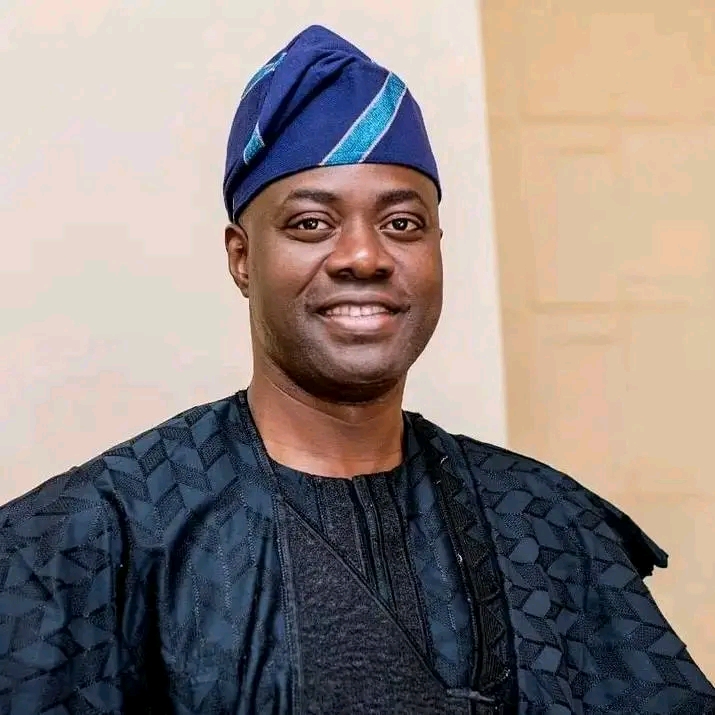
OYO SCHOOL KIDNAP: MAKINDE EXTENDS 4PM–8AM CURFEW BY 24 HOURS IN 10 LGAs

The Oyo State Government has extended the curfew imposed on 10 local government areas by 24 hours to bolster ongoing rescue operations for kidnapped schoolchildren and teachers. Governor Seyi Makinde approved the extension for the council areas bordering the Old Oyo National Park. Secretary to the State Government, Musibau Babatunde, announced the directive in a memo issued on Thursday. The restrictions will now remain in force until Saturday, June 27, 2026. The state government had initially declared a 48-hour, 4:00 PM to 8:00 AM curfew on June 23, 2026. This latest adjustment extends that window to intensify security sweeps. The 24-hour extension impacts the following local government areas:Oriire (Headquarters: Ikoyi-Ile), Orelope (Headquarters: Igboho), Irepo (Headquarters: Kisi), Saki West (Headquarters: Saki), Saki East (Headquarters: Ago-Amodu), Atisbo (Headquarters: Tede/Ago-Are)Itesiwaju (Headquarters: Otu), Iseyin (Headquarters: Iseyin), Olorunsogo (Headquarters: Igbeti), Atiba (Headquarters: Offa-Meta, Oyo). The curfew is a direct response to the May 15, 2026, bandit assault on three schools in Yawota and Ahoro-Esienle within the Oriire Local Government Area. Bandits invaded Baptist Nursery and Primary School, Community Grammar School, and L.A. Primary School. One teacher was killed during the raid, and another was later beheaded in captivity. Scores of schoolchildren and teachers remain in custody. Governor Makinde reiterated his commitment to locating the captives, stating that the government is working closely with federal security agencies to ensure all victims return home safely.
NEWS /  Thu 25 Jun
Posted By; Akintayo Asamu

Local Control Key to Nation’s Safety, Says Ubani

Nigeria will achieve true security only when local governments are fully empowered to manage their own territories, legal expert Monday Ubani declared yesterday. Speaking on Arise Television’s Morning Show, the Chairman of the Nigerian Bar Association (NBA) Electoral Committee strongly backed the decentralisation of the nation`s security architecture. His comments followed the Senate`s historic passage of the contentious State Police Bill, aimed at tackling the country`s worsening security crisis. "Security is local," Ubani stated, emphasising that grassroots leaders possess indispensable knowledge of their communities` entry and exit points. He argued that the current over-centralised policing system has failed to protect lives and property. Ubani praised the 10th National Assembly and the current administration for taking decisive steps toward decentralisation, calling state policing the definitive answer to Nigeria`s security challenges. News Analysis: The Path to Grassroots Policing The Senate`s passage of the State Police Bill marks a critical shift in Nigeria`s federal structure. For decades, critics have argued that a single, centrally controlled police force in Abuja cannot effectively manage a nation of over 200 million people. Ubani’s argument highlights a structural reality: local officials understand local vulnerabilities. However, the transition faces steep hurdles. Operational success will depend heavily on preventing state governors from weaponising local forces against political opponents and ensuring stable funding at the local government level.
NEWS /  Thu 25 Jun
Posted By; Akintayo Asamu

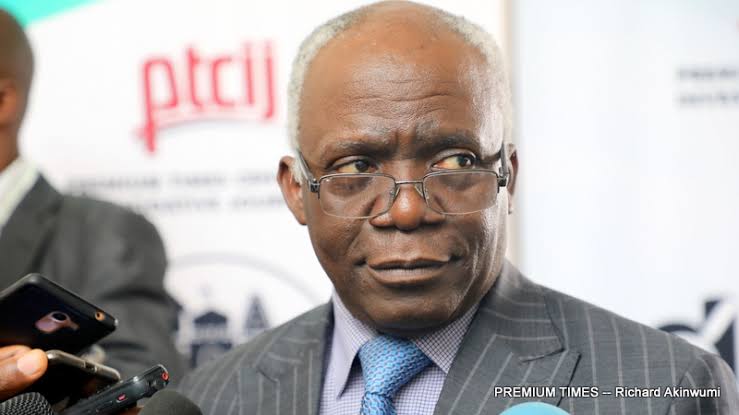
Falana: Jobless Youth, Not State Police, Drive Nigeria`s Security Crisis

Human rights activist Femi Falana, SAN, has warned that establishing state police forces will not stop Nigeria’s security crisis unless the federal government urgently tackles youth unemployment and mass poverty. Featuring as a guest on Channels Television’s Politics Today, Falana reacted to the Senate`s recent passage of the controversial State Police Bill. He argued that expanding law enforcement without providing social security is a surface-level fix for deep economic issues. "How do we employ more policemen and women without considering social security? Why are we not talking of creating employment for young people?" Falana asked. He concluded that without a holistic approach to poverty, regional policing units will fail to secure the country. The senior advocate also cautioned against dismissive political arguments, urging stakeholders to focus on structural reforms rather than weaponising the debate. He noted that the conversation surrounding restructuring must prioritize vulnerable citizens who are pushed into crime due to extreme financial desperation. Security experts have mirrored Falana`s concerns, noting that poorly funded state police forces could worsen regional instability if governors manipulate them for political gain. The bill now faces intense scrutiny as critics demand a balanced framework that combines armed surveillance with robust welfare programs.
NEWS /  Wed 24 Jun
Posted By; Akintayo Asamu

Editorial: The State Police Safeguards—Why Governors Cannot Easily Weaponize the Law

The Senate’s historic passage of the Constitution Alteration Bill to establish state police represents a watershed moment in Nigeria’s federalism. For decades, the centralized policing model has proven painfully inadequate against the hydra-headed monsters of banditry, terrorism, and kidnapping. Yet, as the nation stands on the precipice of this security revolution, a familiar, haunting question dominates public discourse: Will state governors not turn these local forces into private armies to crush political opposition and suppress dissent? While skepticism is deeply rooted in our political history, a critical look at the architecture of the new bill reveals that lawmakers were acutely aware of these dangers. The legislation is not a blank check to regional tyranny; rather, it introduces unprecedented legal and institutional safeguards designed to check gubernatorial excess. The Ghosts of the First Republic To understand the public`s anxiety, one must revisit Nigeria`s First Republic (1960–1966), when regional and Native Authority police forces operated under the control of regional premiers. During that era, localized policing degenerated into a tool for political warfare. The Native Authority police were notorious for: Opponents of ruling regional parties were routinely harassed, arbitrary arrests were rampant, and political rallies were violently disrupted. Local forces were actively deployed to intimidate voters and protect regional ruling elites during tense electoral cycles. In collusion with local judiciaries, regional police fast-tracked the imprisonment of political activists. This systematic abuse of power directly fueled the widespread political instability that led to the 1966 military coup. Consequently, the military centralized the policing structure under a single federal command to prevent regional leaders from wielding such dangerous local leverage. Why History Will Not Repeat Itself While critics fear a return to the dark days of the 1960s, the newly passed bill contains structural firewalls that the First Republic completely lacked. Clause 17(7) categorically criminalizes the weaponization of the police for political vendettas. It strictly prohibits a state Commissioner of Police (CP) from arresting, detaining, or using force against any citizen, journalist, or political party simply for criticizing the government. No such constitutional protection existed in the First Republic. A governor`s power to appoint a CP is strictly conditional, requiring formal confirmation by the State House of Assembly. This forces public scrutiny and creates an essential local check and balance. Unlike the First Republic where regional forces often operated in institutional silos, the new bill establishes a concurrent framework. The federal police structure, headed by the Inspector-General of Police, remains fully active nationwide. Federal courts, national security agencies, and human rights commissions retain overriding authority to intervene if local commands violate constitutional rights. The Verdict Devolution of policing is a necessity for a country of over 200 million people. We cannot allow the trauma of the 1960s to permanently paralyze modern security progress. The 10th National Assembly has delivered a legislative framework equipped with robust, modern legal tripwires that did not exist sixty years ago. The responsibility now shifts to the judiciary, civil society, and the Nigerian press to act as vigilant watchdogs. With these strict statutory guards in place, the era of unchecked regional tyranny will be incredibly difficult to resurrect. The safeguards are there; we must simply have the courage to enforce them.
NEWS /  Wed 24 Jun
Posted By; Akintayo Asamu

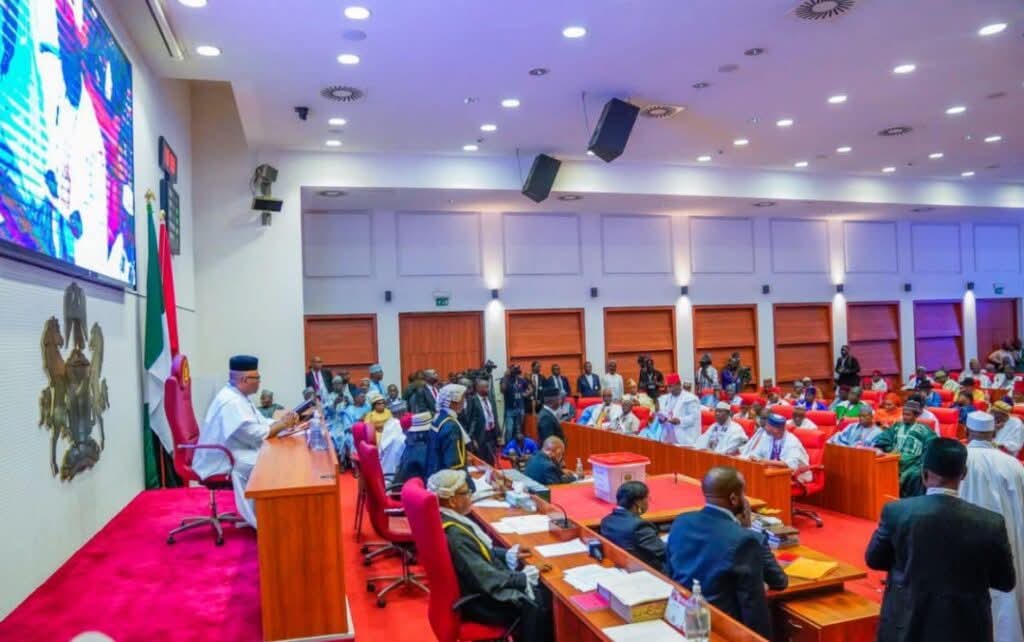
POLICING REVOLUTION: Senate Passes State Police Bill, Gives Governors Power Over CPs

Nigeria moved a step closer to a total overhaul of its internal security architecture yesterday. The Senate passed a landmark constitutional amendment to establish state police forces. The breakthrough effectively ends decades of fierce national debate. It chips away at the Federal Government`s exclusive control over policing to combat rampant insecurity. Power to the Governors The Constitution Alteration Bill introduces a concurrent policing framework. The federal police will continue to operate under the Inspector-General of Police. However, individual states can now run their own parallel commands. The most sweeping change rests in the appointment of leadership: State governors receive explicit powers to appoint their own Commissioners of Police (CPs). All gubernatorial appointments require formal confirmation from the respective State Houses of Assembly. Governors can issue lawful written directives of a general policy nature to CPs regarding public safety. The Safeguards Against Tyranny To douse long-standing fears that governors might weaponize local forces against political rivals, lawmakers inserted strict human rights shields under Clause 17(7). The law explicitly bans CPs from arresting, detaining, investigating, or using force against any individual, group, or political party simply for criticizing the government. All police actions must strictly align with due process and existing legislation. Drama Over Digital Voting The historic session was not without procedural drama. Barely an hour before the vote, the Senate abruptly abandoned its electronic voting system. Senate Leader, Opeyemi Bamidele, moved a motion to switch to manual voting after technical glitches hit several digital devices. Senate President, Godswill Akpabio, sustained the motion, arguing that open, individual voice votes guaranteed absolute transparency. The tension-soaked floor was watched closely by top political figures, including: Femi Gbajabiamila (Chief of Staff to President Bola Tinubu),Senator Uba Sani (Governor of Kaduna State),Prince Dapo Abiodun (Governor of Ogun State),Lucky Aiyedatiwa (Governor of Ondo State) Following a rigorous, clause-by-clause evaluation, more than two-thirds of the senators openly voted in favor of the decentralization bill. The Next Hurdle While the Senate`s approval marks a massive victory for advocates of restructuring, the bill is not yet law. As a constitutional amendment, it must now secure matching approval from the House of Representatives. It then requires endorsement from at least 24 (two-thirds) of the 36 State Houses of Assembly before landing on the President’s desk for assent. If successful, this will stand as the most consequential legislative reform engineered by the 10th National Assembly.
Page 39 of 124


Home   About Contact

2026  ©
Developed by KITE