NEWS
Tinubu Approves ₦3.3 Trillion Settlement to Clear Decade-Long Power Sector Debts
Published on Mon 06 Apr 2026 By Akintayo Asamu
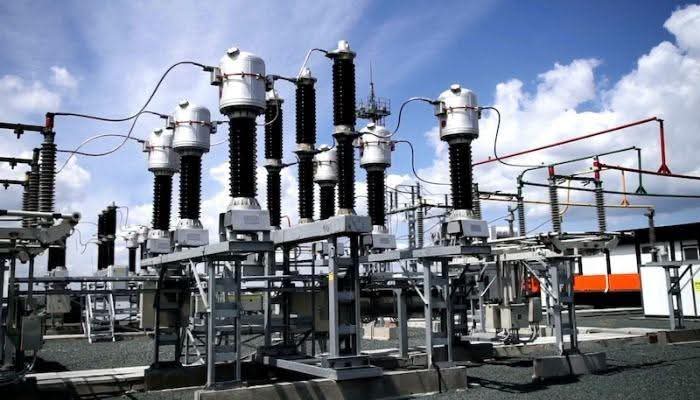
 ABUJA – In a major move to fix Nigeria’s perennial electricity crisis, President Bola Tinubu has approved a ₦3.3 trillion payment plan to settle "legacy debts" that have crippled the power sector for over a decade.

The Presidency announced the breakthrough on Sunday, noting that the move is part of the Presidential Power Sector Financial Reforms Programme. The debts, which accumulated between February 2015 and March 2025, were finalized following a rigorous verification process to ensure a transparent resolution.

The Federal Government has already hit the ground running. According to the State House, 15 power plants have signed settlement agreements totaling ₦2.3 trillion.


To back these agreements, the government has raised ₦501 billion. Of this amount, ₦223 billion has already been disbursed to stakeholders within the power value chain, with further payments currently being processed.

Olu Arowolo-Verheijen, Special Adviser on Energy to the President, explained that the intervention is designed to do more than just pay off old bills.


"This programme is about restoring confidence across the power sector—ensuring gas suppliers are paid and power plants can keep running," she said. "It is part of a broader set of reforms including better metering and service-based tariffs that link what you pay to the quality of electricity you receive."

She further emphasized that the administration is prioritizing supply to businesses and small enterprises to drive job creation and economic growth.

The government expects this massive liquidity injection to yield immediate benefits for citizens:

 Payments to gas suppliers and GenCos ensure plants stay operational.

A stabilized value chain reduces the frequency of grid collapses and outages.

 Reliable power is expected to lower production costs for businesses and attract new investments.

President Tinubu commended the stakeholders involved in reaching this agreement and confirmed that Series II of the repayment plan is scheduled to begin this quarter.


The administration remains optimistic that by clearing these financial hurdles, the power sector will finally move toward a self-sustaining system that provides consistent electricity for homes and industries across the country.
ADVERTISMENT

You May Also Like