POLITICS
Economic Crisis: Nigeria Exporting Jobs, Importing Poverty — Atiku Blasts Tinubu
Published on Mon 20 Jul 2026 By Akintayo Asamu
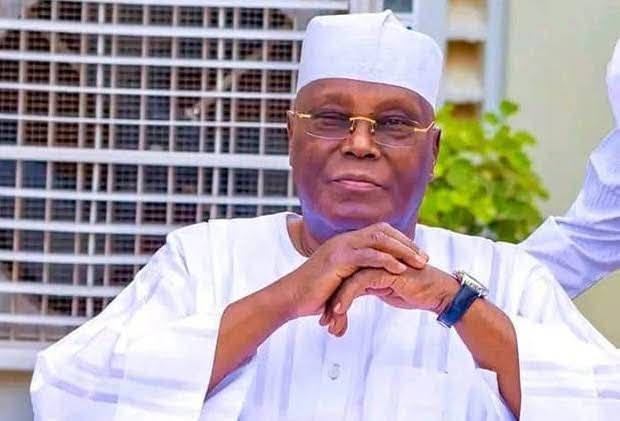
 Presidential candidate of the African Democratic Congress (ADC), Alhaji Atiku Abubakar, has strongly criticized President Bola Tinubu’s economic policies, blaming them for the country`s worsening financial hardship. In a statement issued on Monday by his spokesperson, Phrank Shaibu, Atiku argued that the administration`s reliance on borrowing, importation, and heavy taxation has crippled the nation`s economy instead of driving production.

The former Vice President stated that Nigeria`s economic recovery depends heavily on boosting local food production, expanding manufacturing, and increasing exports. He noted that the current economic model has severely weakened local industries, reduced employment opportunities, and caused inflation to rise rapidly across the country, leaving ordinary citizens to bear the brunt of the fiscal strain.

"Nigeria cannot borrow, import, and tax its way to prosperity," Atiku declared. He emphasized that the country`s economic salvation lies in producing what it eats, manufacturing what it uses, and exporting what it makes, warning that no nation has ever achieved prosperity by exporting jobs and importing poverty.

To back his claims, Atiku pointed to skyrocketing food prices, stating that national food inflation has hit 17.52 per cent, with states like Kogi and Niger recording extreme rates of 53.02 per cent and 43.83 per cent respectively. He also revealed that Nigerian manufacturers spent N3.53 trillion importing raw materials within just six months, a trend he warned is rapidly weakening the naira.

Outlining his alternative plan, Atiku promised that an ADC administration would prioritize agriculture, solid minerals, technology, and local manufacturing. He pledged to restore security in farming communities, stabilize the currency, lower import duties on industrial machinery, and reform the tax system to support local businesses, drawing comparisons to the successful economic reforms during his time as Vice President under the Obasanjo administration.
ADVERTISMENT

You May Also Like